ALPINE CAPSTONES: FORMED IN THE MOUNTAINS
“The mountains are calling and I must go”.
John Muir, 1873
The line is timeless. Written by Scottish born American naturalist, writer and early environmental philosopher. Muir became one of the most influential voices in shaping how the modern world understands wilderness, nature, and our spiritual relationship with landscape. He lived from 1838 to 1914, yet his words still resonate with uncanny accuracy. Especially if you have spent time in the Alps….
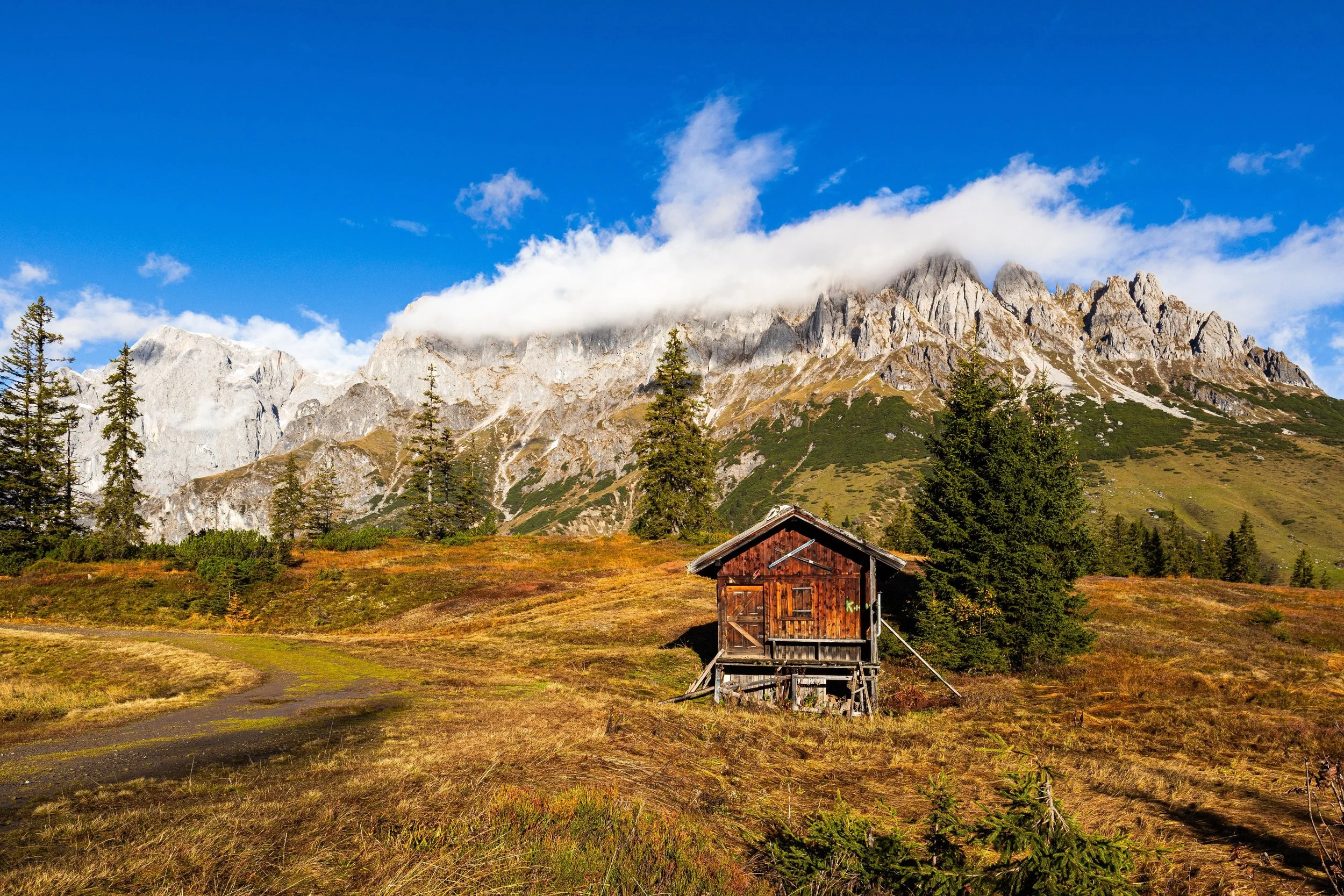
The iconic Alpine Hut - the mountains shape people differently
INTRODUCTION
There is a noticeable shift in the behaviour of today’s globally mobile UHNW families. The Alps are no longer a seasonal indulgence. They are becoming a place where more people are putting down roots. As a recent Knight Frank report suggested:
“73% of HNWIs surveyed would consider living full time/ their primary residence in the Alps. More affluent people are considering / appeal of full-time mountain living”
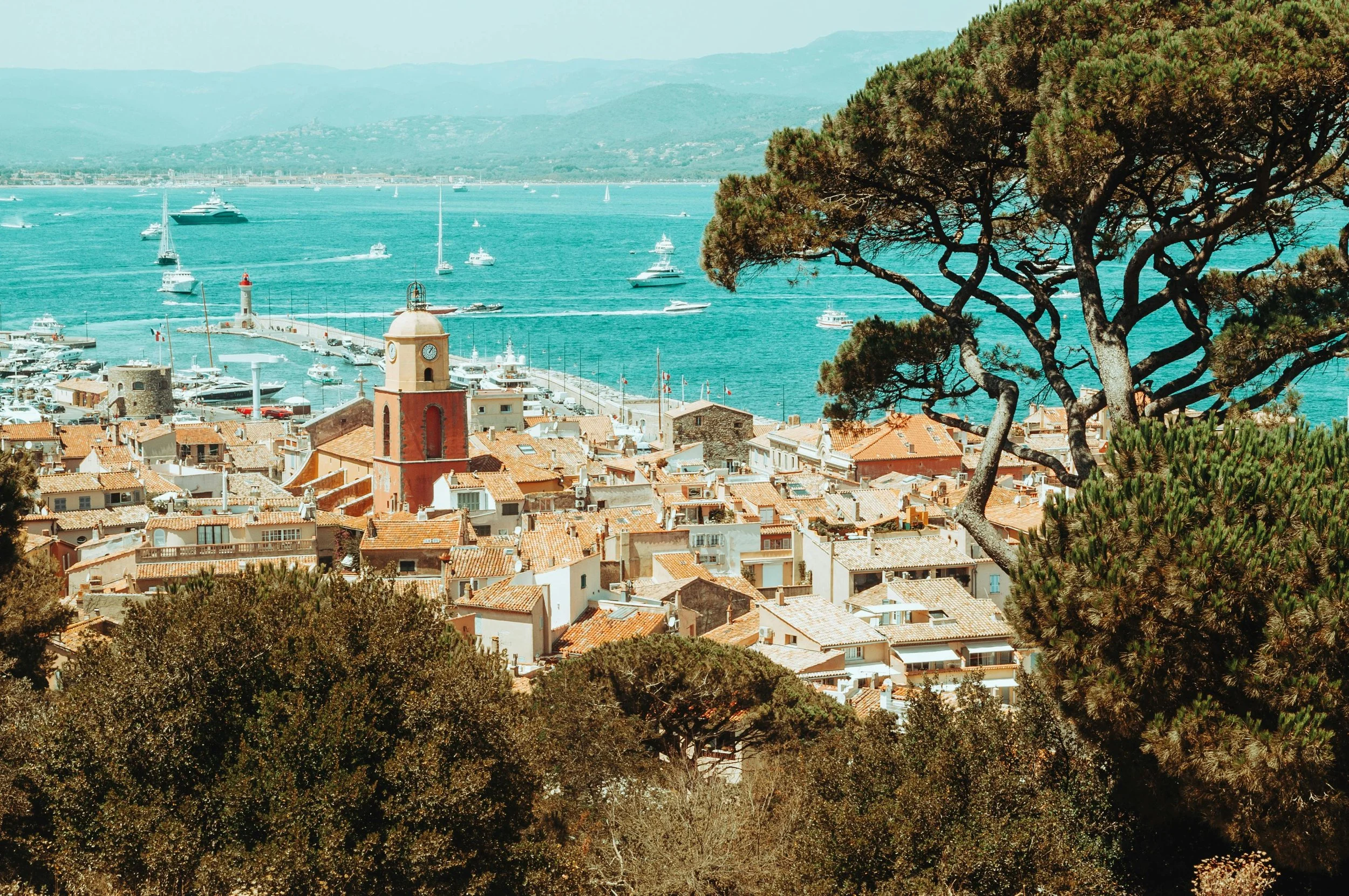
Or, as they move around, especially for the seasons (summer in Saint-Tropez etc), more are using the Alps as their base. The global elite are not merely buying bolt holes. They are placing deeper roots, not as seasonal trophies, but as lifestyle headquarters. They are rethinking where “home” actually is.
Across Verbier, St. Moritz, Gstaad, Zermatt, Kitzbühel and Courchevel, estate agents, hoteliers and school governors describe a subtle but unmistakable change in mindset. World-class schools for example, are seeing this shift with international schools seeking expansion in the likes of Verbier.
The appeal is both practical and philosophical: nature on the doorstep, a culture that values privacy and discretion, and four seasons of activity from ski touring to downhill mountain biking, hiking and trail running.
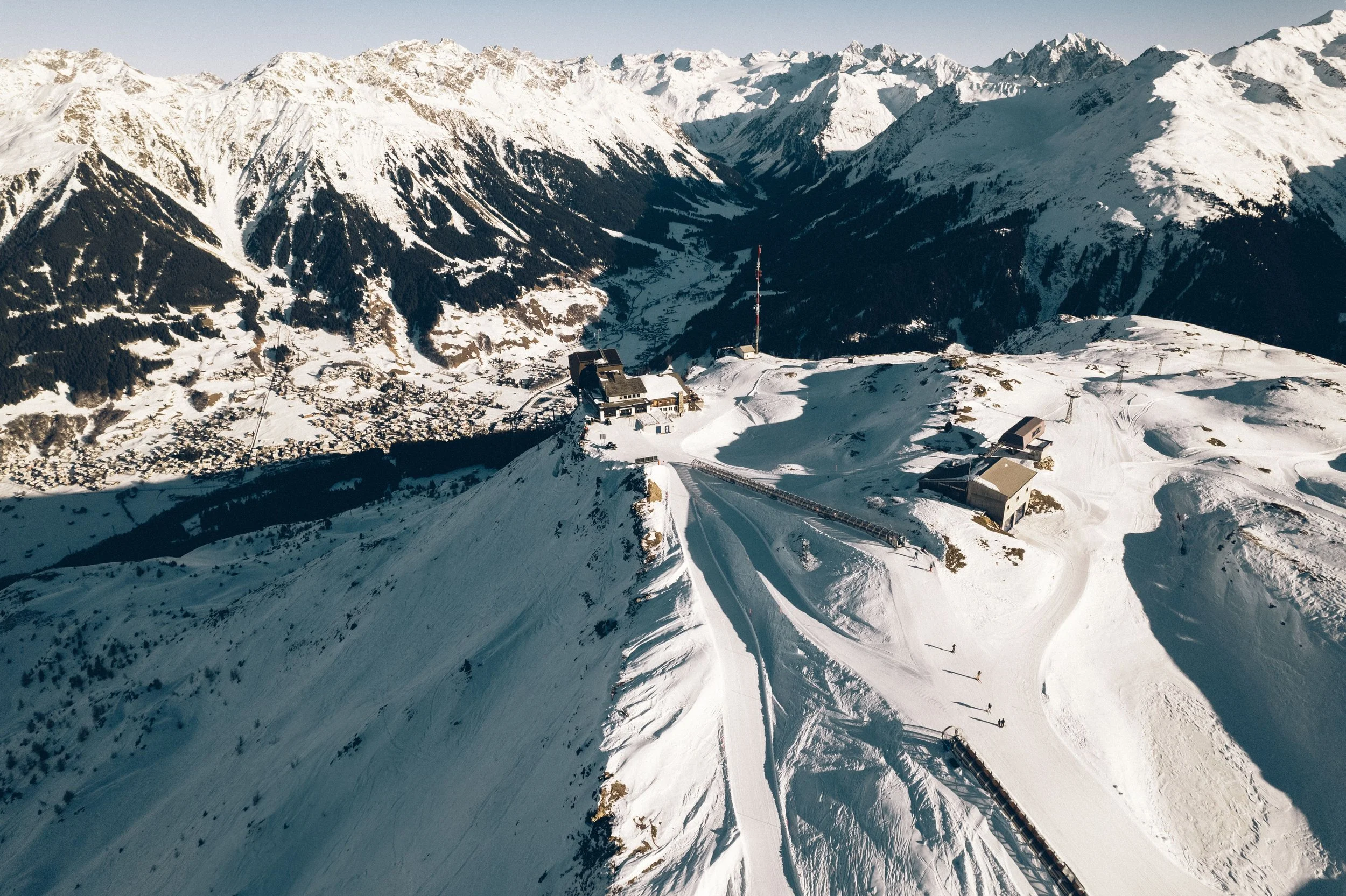
In the Alps nature is at her grandest and man at his smallest
THE ALPS AS THE CAPSTONE BACKDROP
In its literal sense, alpine means “belonging to the Alps.” At its most precise, the term refers to environments at high altitude, typically above the tree line, where conditions are thinner, harsher, and more exposed. The word originates in the Alps, but it has since travelled, used globally to describe mountain zones that demand adaptation, restraint, and respect. The Alps have become a global reference point.
The Alps themselves are not a single country, culture, or skyline. They form a vast mountain system, an arc of high ground stretching across eight countries (France, Austria, Germany, Italy, Liechtenstein, Switzerland, Slovenia and Monaco) housing more than 14 million residents. It is a landscape defined by extremes, with 82 peaks over 4000 metres. Thirty percent of Europe’s freshwater originates in the Alps. The Rhine, Rhône, Po and Danube all rise here.
As Mark Twain said:
“Nature is built on a stupendous plan in that region”
There are iconic peaks that anchor the landscape, in the west stands Mont Blanc, the highest summit in Western Europe, in the centre rises the likes of the Matterhorn and the Eiger (with its iconic North face), then in the east, the limestone towers of the Dolomites. They provide a natural architecture for reflection. They represent permanence. When you confront that scale, ambition shifts. Your career, your status, your anxieties suddenly occupy a smaller frame.
For many, this becomes the physical manifestation of their Capstone phase. The place where children grow up with mountain literacy rather than city noise. Where wellness is embedded, not outsourced.
This is why people often describe feeling both insignificant and deeply connected in the mountains. Small, yet precisely located within something far larger than themselves.
In the Alps, nature is at her grandest and man at his smallest.
It’s a place to shift priorities, a conscious redirection of time, capital and identity toward something more meaningful.
It’s the perfect place to consider your next move in life/ get some fresh mountain air in your lungs, remind yourself you are small in comparison to the world and you are not / can’t ever be fully in control. It’s a place for Capstone thinking….
And so with the global elite spending more time there, it figures more passion projects are emerging. So here we showcase some examples of existing Alpine Capstones, across the 12 pillars outlined in the book Capstones: The art & architecture of meaningful passion projects.
What follows are eight projects shaped by the Alps, built within them, or by those formed by them. Each has a personal connection, either through direct experience or through the individuals behind them.
The Alps are not defined by a single pursuit, but by a system of conditions that shape how people live, build, and return. Sport, wine, food, culture, philanthropy, property, wellness, and adventure together form a complete spectrum of alpine life.
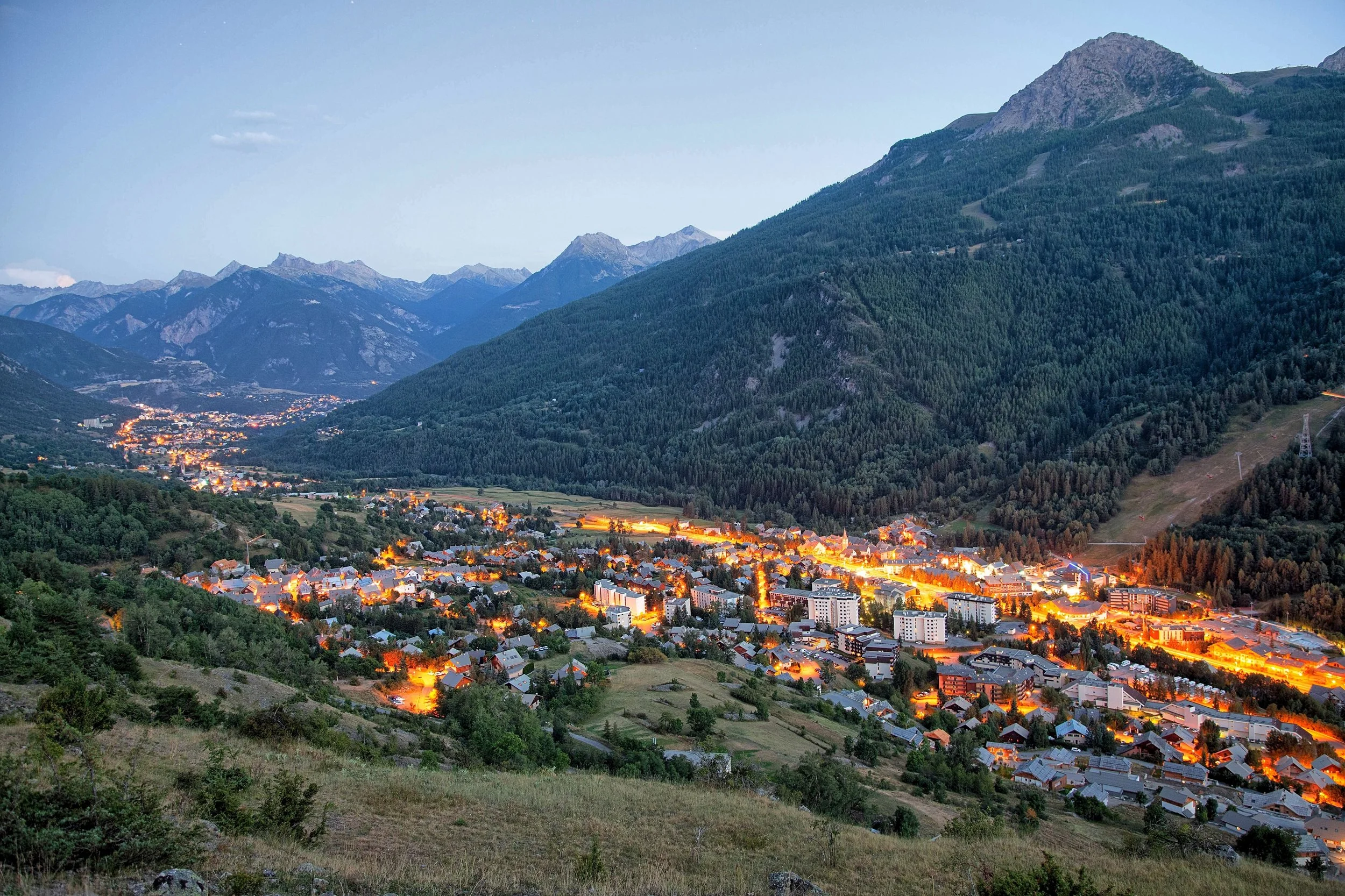
14 million residents throughout the Alps
1) SPORT
Precision as a Philosophy: zai skis
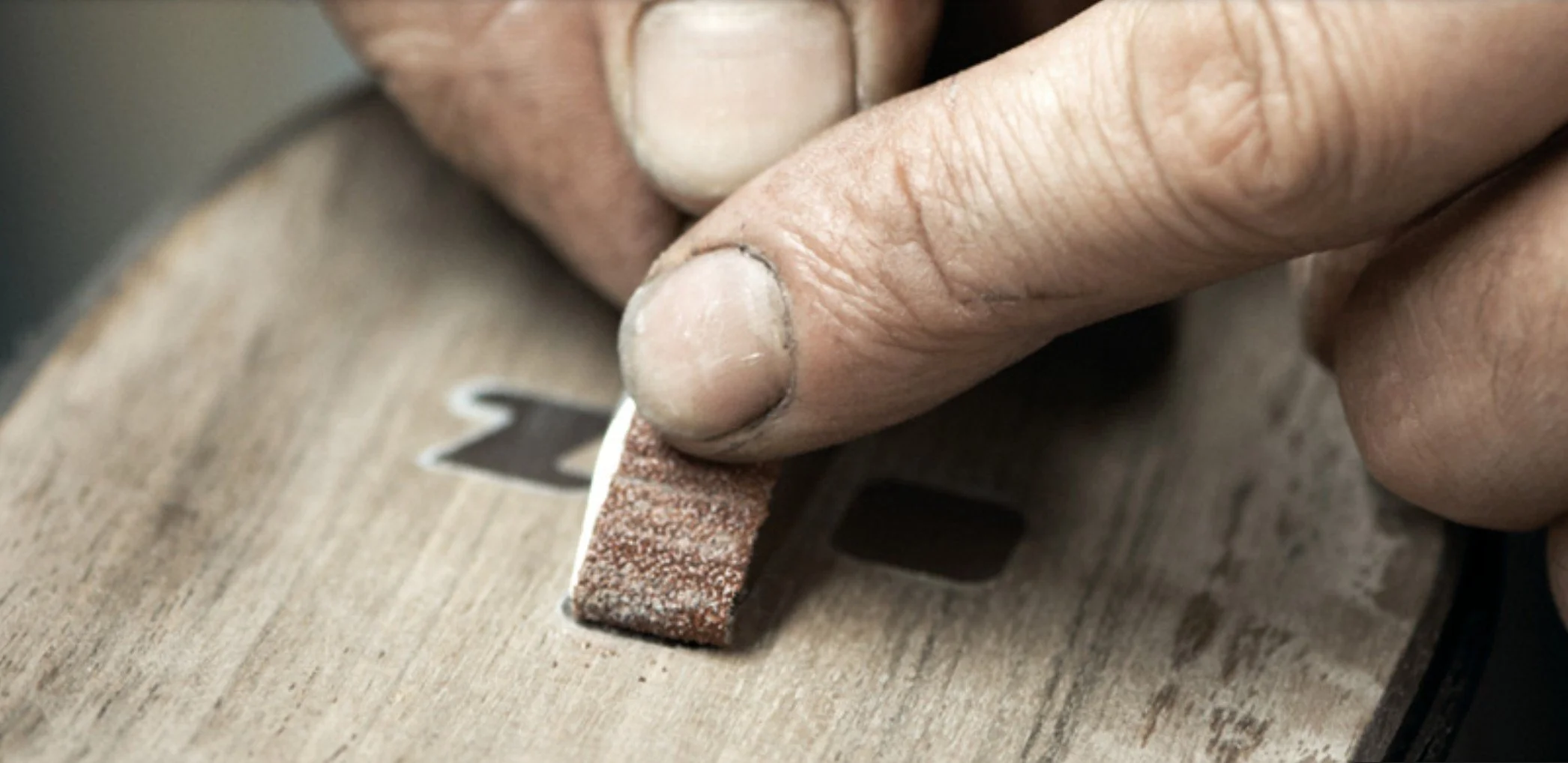
Image from zai skis
Skiing has been cheekily described as “two planks and a passion.” zai skis would argue it demands much more.
zai is the no-compromise ski brand (heralded as the world’s finest ski manufacturer) founded by Simon Jacomet, joined by Benedikt Germanier who swapped the city as a UBS banker for the ski slopes. Other friends also joined including Thomas Staubli from Credit Suisse.
zai produces skis in limited numbers, often fewer than a thousand pairs per year. They use unconventional combinations of unexpected materials such as wood, stone, natural rubber, cellulose, Titanal, aluminium, marble, and unique carbons, manufactured to last a lifetime.
For zai, it’s not about scale, there is a healthy obsession with materials and their impact on performance. A former finance executive choosing to apply his discipline not to derivatives, but to downhill performance. This is true craft in skis. zai has been a Swiss pioneering company for over 20 years now. The pursuit has remained a solid as the skis: the idea of designing and manufacturing skis that allow you to experience a new kind of movement and a feeling of freedom in the snow.
“New findings with a high standard of quality and ecology can only come about if one dares to look out over the cliff”.
2) PROPERTY
The Return to Origin: 7132 Hotel
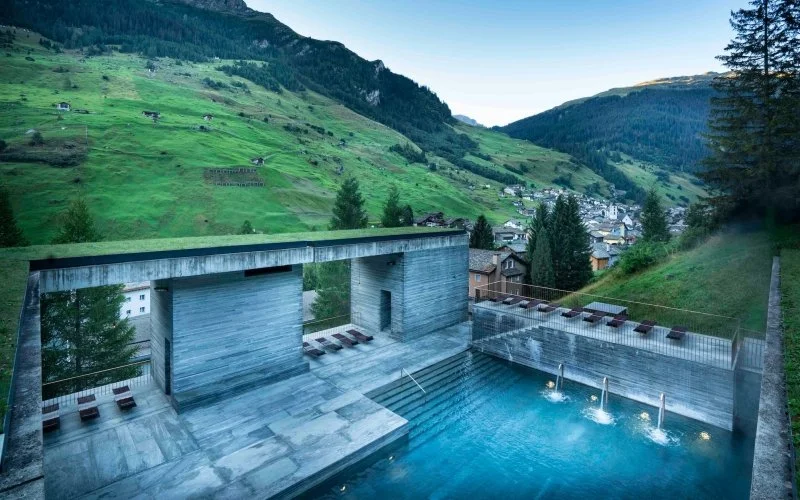
Image from 7132 Hotel
The 7132 Hotel in Vals (named after its exact location), Switzerland, is a world-renowned luxury destination celebrated for its architecture and thermal baths, with a history tied to local Valser quartzite. Originally built in the 1960s, it gained international fame when Peter Zumthor designed the iconic, heritage-protected Therme spa (built 1993–1996) from 60,000 local stone slabs.
Remo Stoffel also grew up in Vals. After keystone success elsewhere, he came back to a village that had lost direction. Instead of building something brash, he invested in design integrity. He acquired the hotel to restore and reposition it. The result is restrained architecture, a commitment to quality over noise. The project embodies the idea of an Alpine Capstone as return, restraint and reinvestment rather than seasonal glamour.
The hotel is not optimised purely for yield. It is optimised for continuity. Remo considers himself a steward not an owner. His approach has been to protect the character of Vals, resisting the pressure to turn it into a conventional luxury destination.
www.7132.com
3) CULTURE
Members with ‘Bite’: Dracula Club, St Moritz
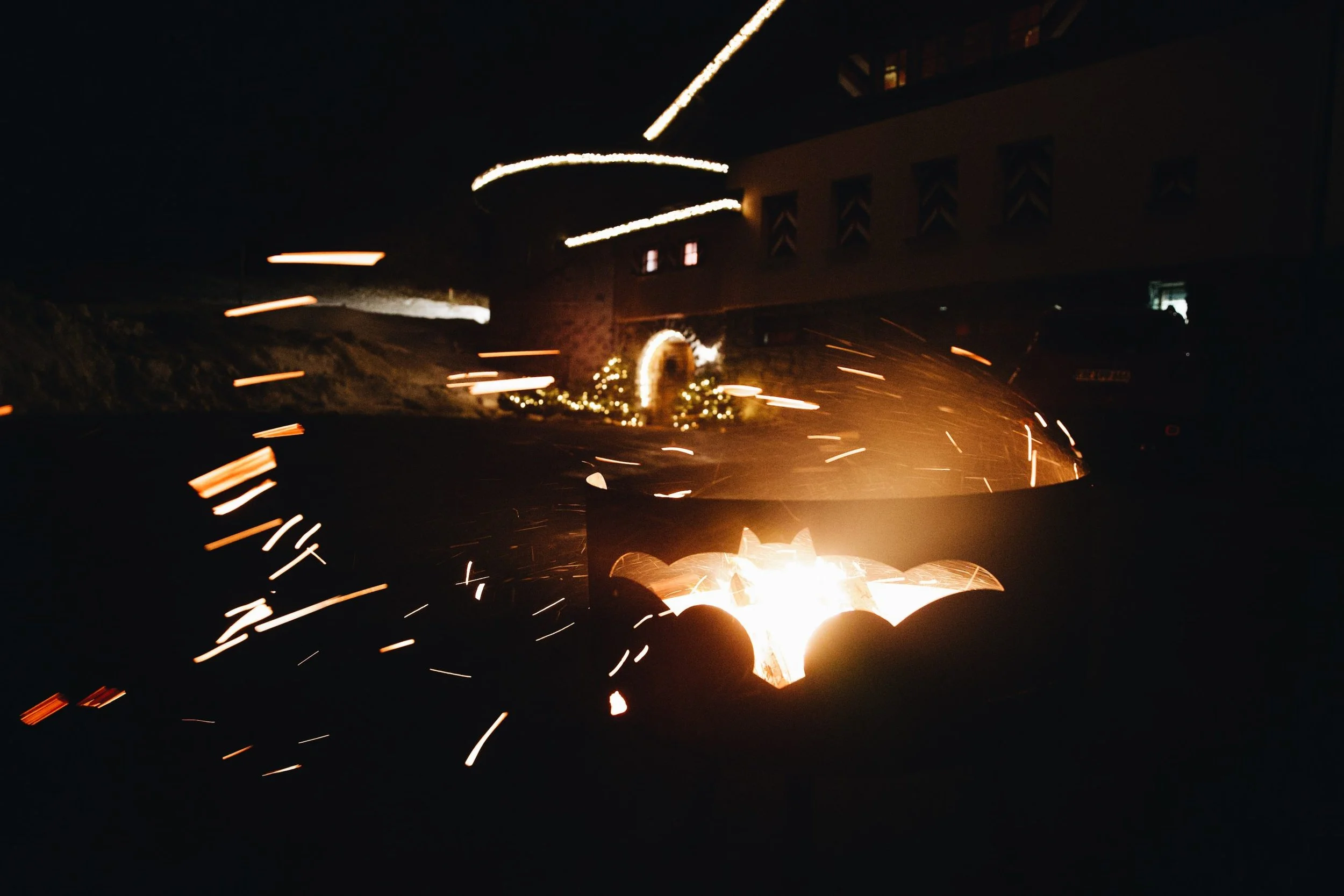
Image by: Agostina Schenone
Founded in the 1970s by Gunter Sachs, the Dracula Club remains seasonal, invitation-only, and intentionally small, typically hosting around 150 guests at a time. The club is based at the Kulm Hotel in St Moritz.
Sachs was heir to the Opel fortune (via his father’s industrial legacy) and competed for Switzerland in the 1952 Winter Olympics.
He had already used the name “Dracula” earlier in his life, including on a motorboat used during his time in Saint-Tropez with Brigitte Bardot, his third wife. Their high-profile relationship in the late 1960s defined an era of jet-set glamour.
Gunter Sachs did not build a club in the conventional sense:
“I wanted to live my life as I pleased.”
The Dracula Club followed that logic, a place shaped by personal choice rather than commercial intent, where the experience depends on who is in the room, not what is being offered. No aggressive expansion strategy. No franchising ambition. It has protected its mystique over time.
Today, the club, with its restaurant known as Dracula’s Ghost Riders Club and its late-night space simply as “Drac’s”, is considered one of the most exclusive in St Moritz and is run by his son, Rolf Sachs. Membership is less about status and more about curation, individuals with personality, intrigue, and something to say (the club refers to members having to have ‘bite’).
The club positions itself around the preservation of a certain night-time culture, opening each winter on 26 December and running through to the end of March.
Similarly, the Corviglia Ski Club carries aristocratic heritage dating back to 1930. These are highlighted as institutions where the same family names appear on membership lists for decades. Invitation-only, and deliberately not shared.
4) WINE
A passion for wine meets the energy of the mountains: 67 Pall Mall Verbier
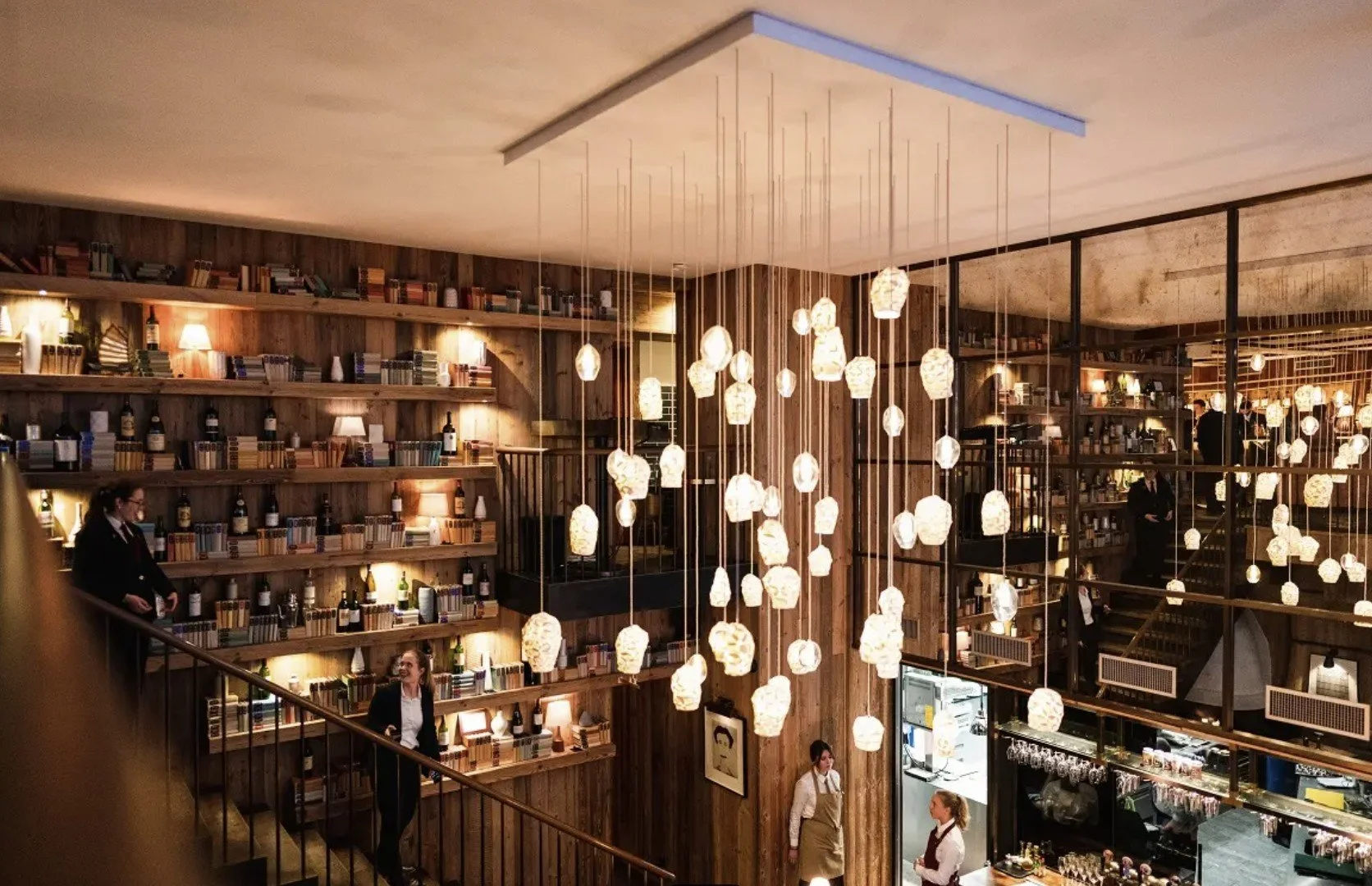
Image courtesy of 67 Pall Mall
When founder Grant Ashton chose to expand his private members wine club Capstone 67 Pall Mall beyond London, his decision was based on personal experience. Verbier was chosen as the first outpost.
“I’ve been coming for 30 years… I always thought if we were going to do it anywhere, we would do it there.”
A serious wine members’ club at altitude. Burgundy, Barolo and Bordeaux poured against a snow-lined horizon. The club has the most diverse wine list in the Alps with over 3,000 unique wines.
Verbier also sits above Swiss wine country, the Valais regions, where 80% of Swiss wine grows.
This is fascinating because it merges two worlds. The precision of fine wine with the purity of alpine air. Great bottles, good company, and the alpine lifestyle at its best. It signals that the mountains are becoming central to cultural life, year-round. According to Grant and 67 Pall Mall: ‘Wine and living well in the mountains’.
5) FOOD
Modern Alpine restaurant craft: Goldkind,
Mayrhofen
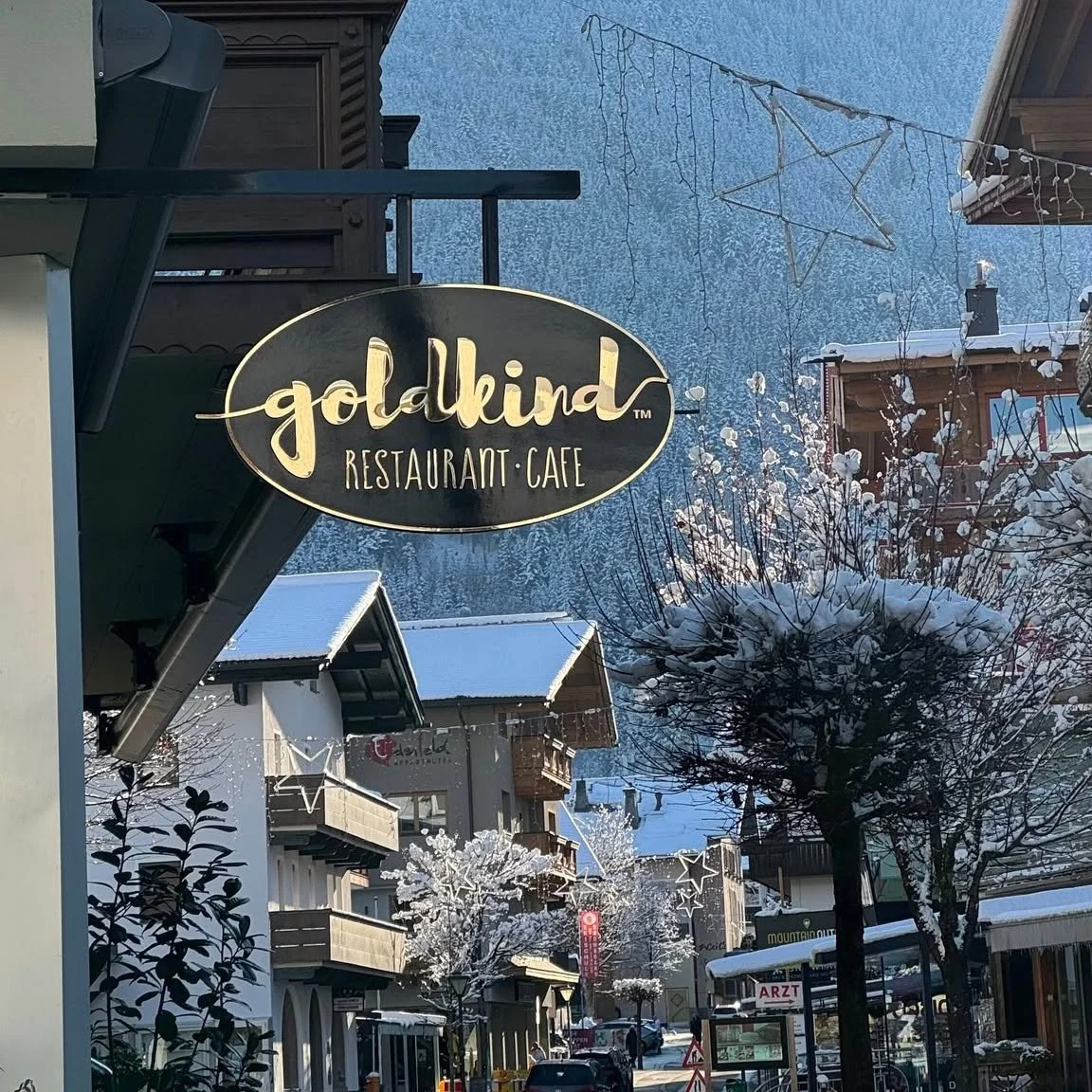
Image courtesy of Goldkind
Márton Bozsó and his wife, both with over three decades of experience in 5-star hospitality across Europe, chose to create something of their own in the Alps. Goldkind, translated as “golden child”, reflects that decision. Not a concept designed for scale, but a personal project built on years of accumulated craft, judgment, and learnings from decades spent in the culinary world.
Goldkind represents a new wave of mountain restaurants. Ingredient-led, regionally-grounded, but also seasonal and restrained. Traditional alpine staples, reinterpreted with a more contemporary lens.
The restaurant is renowned for its commitment to using fresh, locally sourced ingredients that reflect the rich culinary heritage of the Tyrol region. They are both also great hosts, making the restaurant feel very personal, cosy, homely with passion at the forefront of their project.
6) WELLNESS
Purity as Luxury: Hallstein Water
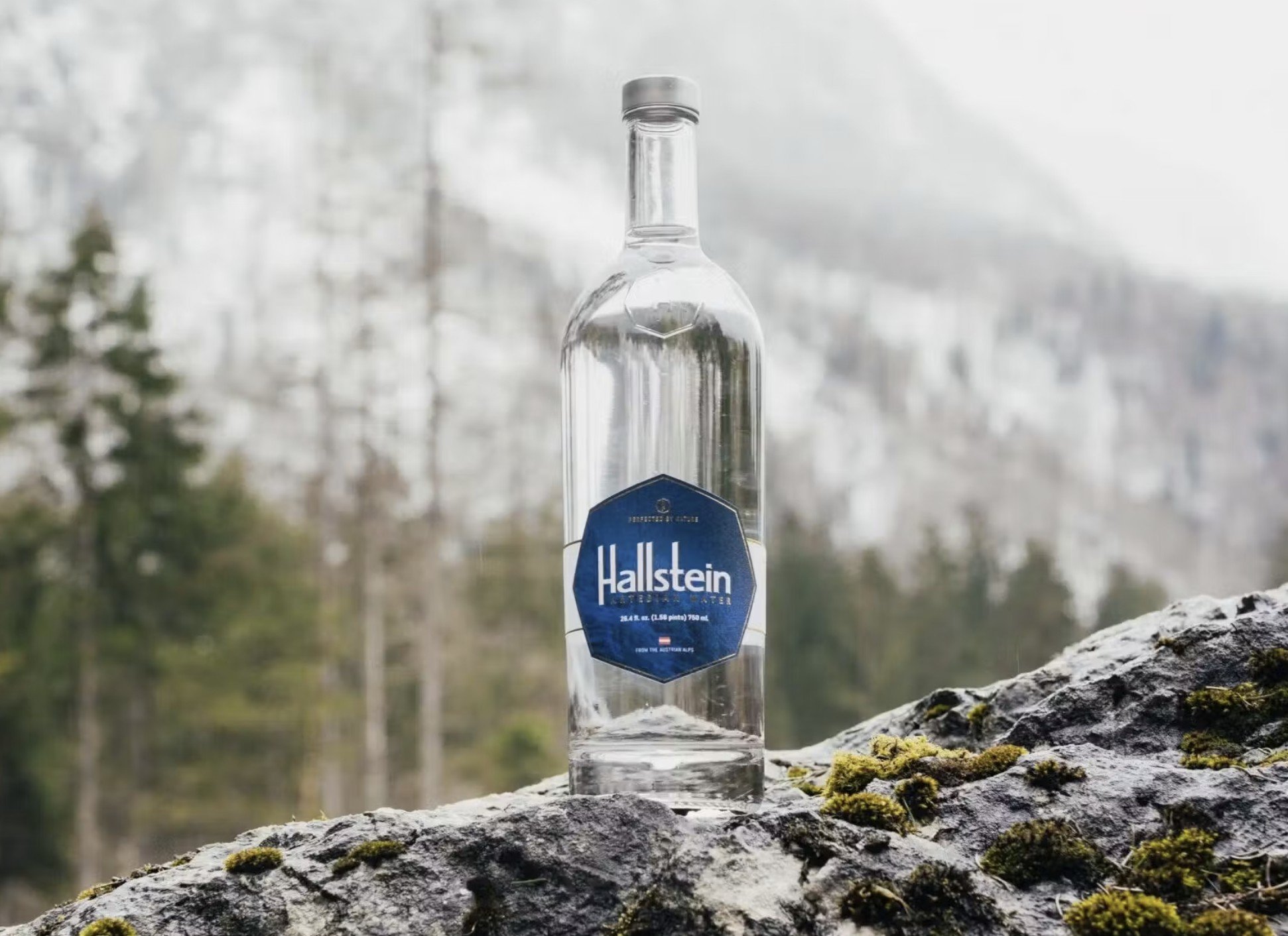
Image courtesy of Hallstein Water
Hallstein Water was founded by Karlheinz Muhr with a simple quest, to provide the purest possible water for his family. What began as a personal standard became the north star for the project.
After extensive geological and hydrological research, supported by scientific analysis and validation from expert US and Canadian universities, the optimal source, considering the entire globe, was identified not somewhere remote or exotic, but in the Austrian Alps, close to Muhr’s childhood home. It was meant to be…
Sourced from deep within a single mountain block in the Dachstein massif, the water passes slowly through ancient limestone formations formed over 250 million years ago, originally composed of layers of plankton. The rock itself is characterised by exceptionally pure calcium carbonate, contributing to the stability and integrity of the source. Each drop takes between 11 and 13 years to filter through this natural system, moving gradually through dense limestone. The result is a naturally protected aquifer, fully replenishable, and untouched by modern contamination, before being bottled with the same level of care. Zero microplastics. Zero PFAS, Zero compromise.
Hallstein positions itself around rarity and provenance, but at its core is a commitment to maintaining that standard, rather than yielding to commercial pressure. In a world saturated with artificial enhancement, what remains pure and unaltered becomes valuable.
That standard is not assumed, it is maintained. The water is subject to continuous scientific testing and analysis, with results transparently reported, ensuring the integrity of the source is preserved over time.
What began as a personal decision, in this case, the quality of water for a family, has become something much larger. A product, a philosophy, and increasingly, a pattern.
7) ADVENTURE
Peaks, Passes and Glaciers: The Alpine Club
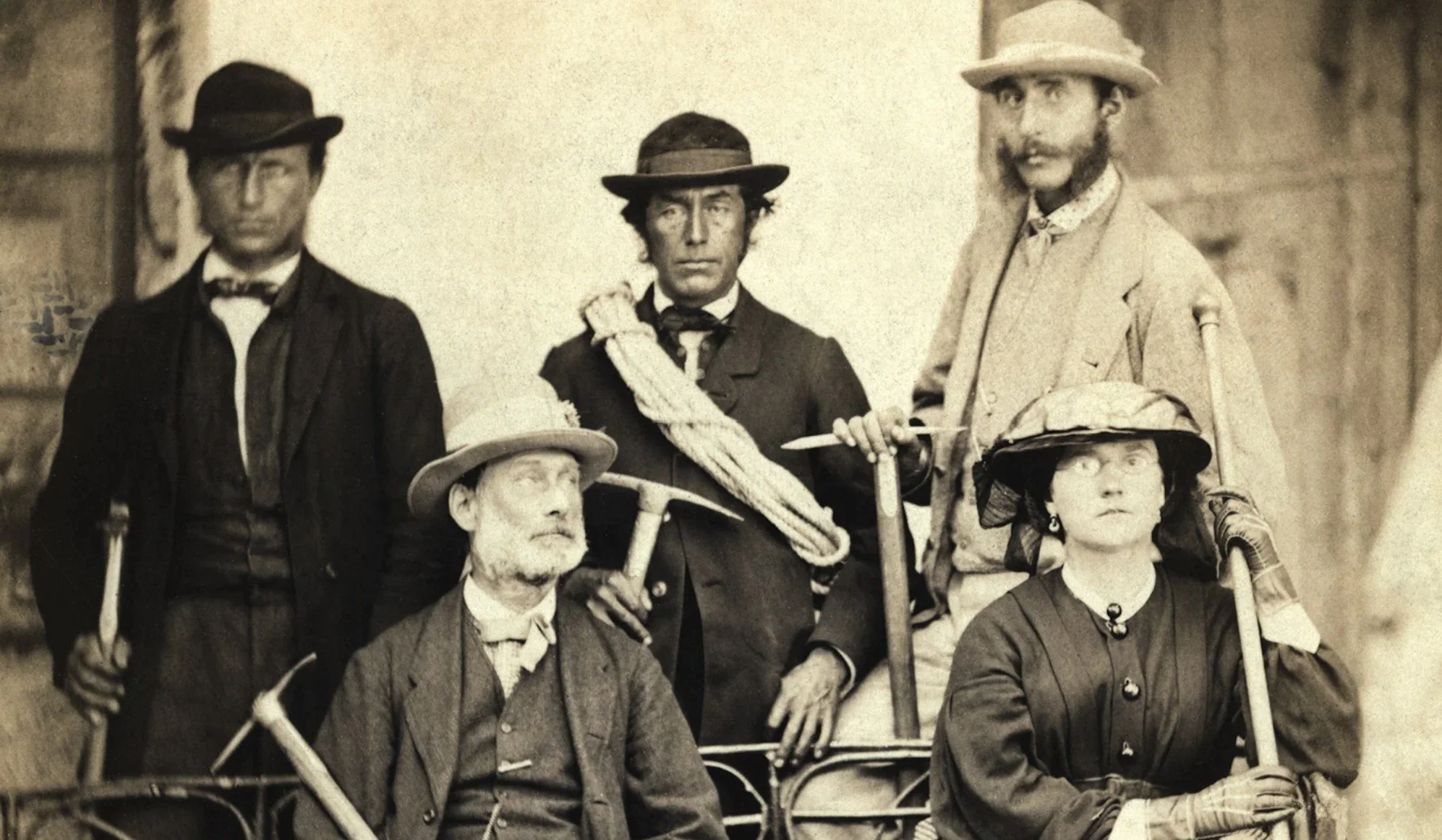
Copyright: Alpine Club Archive
The Alpine Club, founded in London on 22 December 1857, is the world’s first mountaineering club. Its mission endures: to support and celebrate mountaineers and mountain culture.
It represents the earliest codification of what we now recognise as alpine thinking, not simply climbing mountains, but understanding them, respecting them, and documenting the human relationship with them.
Its first president, John Ball, set the tone. An Irish politician and naturalist, he embodied the blend of passion, exploration, science, and cultural curiosity that would come to define the club’s ethos.
The club’s Latin motto captures that spirit precisely:
“Per Nives sempiternas Rupesque tremendas”
(Through the everlasting snow and the dreadful cliffs)
The club played a defining role in the early development of mountaineering equipment. In the early 1900s, a committee of the club set out to engineer a rope that was both strong and light, suitable for the emerging demands of alpine climbing. They tested materials, defined specifications, and ultimately produced the official Alpine Club rope, manufactured by John Buckingham of Bloomsbury.
In 2007, the Alpine Club established the Spirit of Mountaineering Commendation. This commendation is presented to those individuals that the Alpine Club considers having
“displayed unselfish devotion in rendering assistance to a fellow human being imperilled in the mountains” and, in so doing, “sacrificed his/her own objective and possibly jeopardised his/her own personal safety.”
Since 1860, the Alpine Club has published the Alpine Journal, one of the most important records of mountain adventure and scientific observation in the world.
Those that started the club wanted to emphasize that mountaineering is not just a sport, but a way to explore human endurance and spirit.
It’s inspiring to think that in a room in London, in 1857, a group of individuals made a conscious decision that the mountains were worth organising their lives around. That decision, in itself, is the essence of a Capstone.
8) PHILANTHROPY
Preserving the history of Alpinism: Messner Mountain Museums
Raised in the Dolomites, Reinhold Messner was shaped early by the mountains. His Keystone phase saw him redefine mountaineering itself, becoming the first to climb all fourteen 8,000-metre peaks without supplemental oxygen.
It was then time to give back, through the Messner Mountain Museum, a series of six embedded across the Alps and Dolomites. Each site is positioned deliberately, in castles, on peaks, and within the landscape itself, exploring the relationship between humans and mountains. The museums have been developed in collaboration with the regional governments, local municipalities and cultural heritage bodies.
He has created a platform to celebrate mountain culture and share its meaning with others, preserving not just the history of alpinism, but its philosophy.
For Reinhold Messner, the Capstone is not another ascent, but a shift to a Capstone phase. Rather than celebrating conquest, they examine meaning, culture, and the limits of endurance. The impact is quiet but significant. They shift mountaineering from performance to reflection, preserving alpine heritage while reframing how the mountains are understood.
The Capstone is a combination of personal vision and public partnership, less a commercial venture, more a cultural infrastructure built to educate, celebrate and endure.
FINAL THOUGHTS
The Alps do not produce one type of Capstone. They produce many, and with a growing concentration of remarkable people choosing to base themselves there, many more are still to come. But the best of them all share the same origin, a decision, at some point in life, that this place is not just somewhere to visit, but something to build around.
We are seeing family offices quietly fund biodiversity initiatives, avalanche research, regenerative agriculture, and mountain rescue services. These may not always be publicly branded as foundations, yet they represent system-level Capstones. In the mountains, wealth whispers, money talks.
Probably one of the most apt quotes to summarise a Capstone mindset to finish on is this, from American writer and educator David McCullough Jr,
“Climb the mountain not to plant your flag, but to embrace the challenge, enjoy the air and behold the view. Climb it so you can see the world, not so the world can see you.”
If the mountain is calling, what would you choose to build?
Discover more