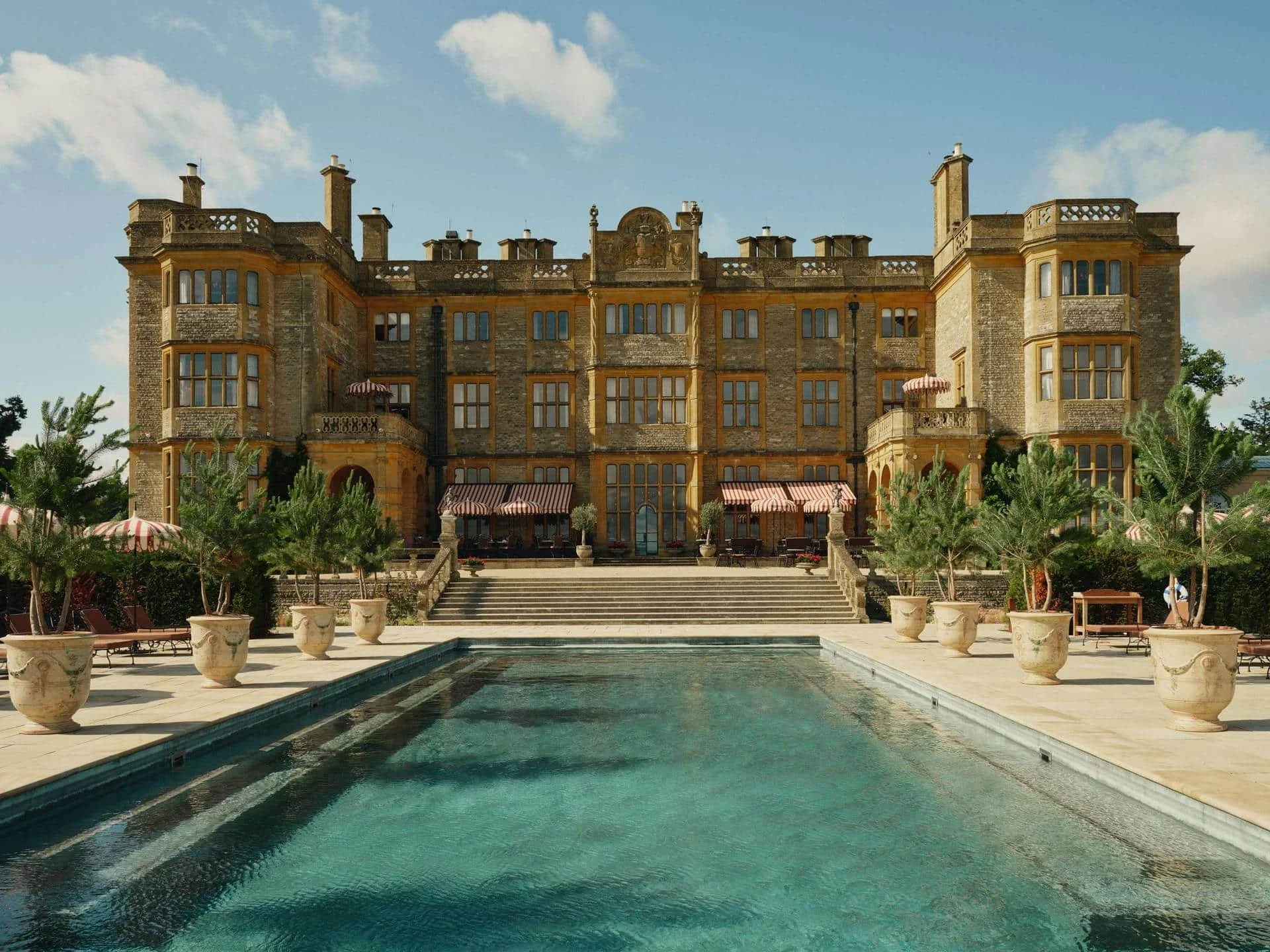
Written at Estelle Manor, Oxfordshire
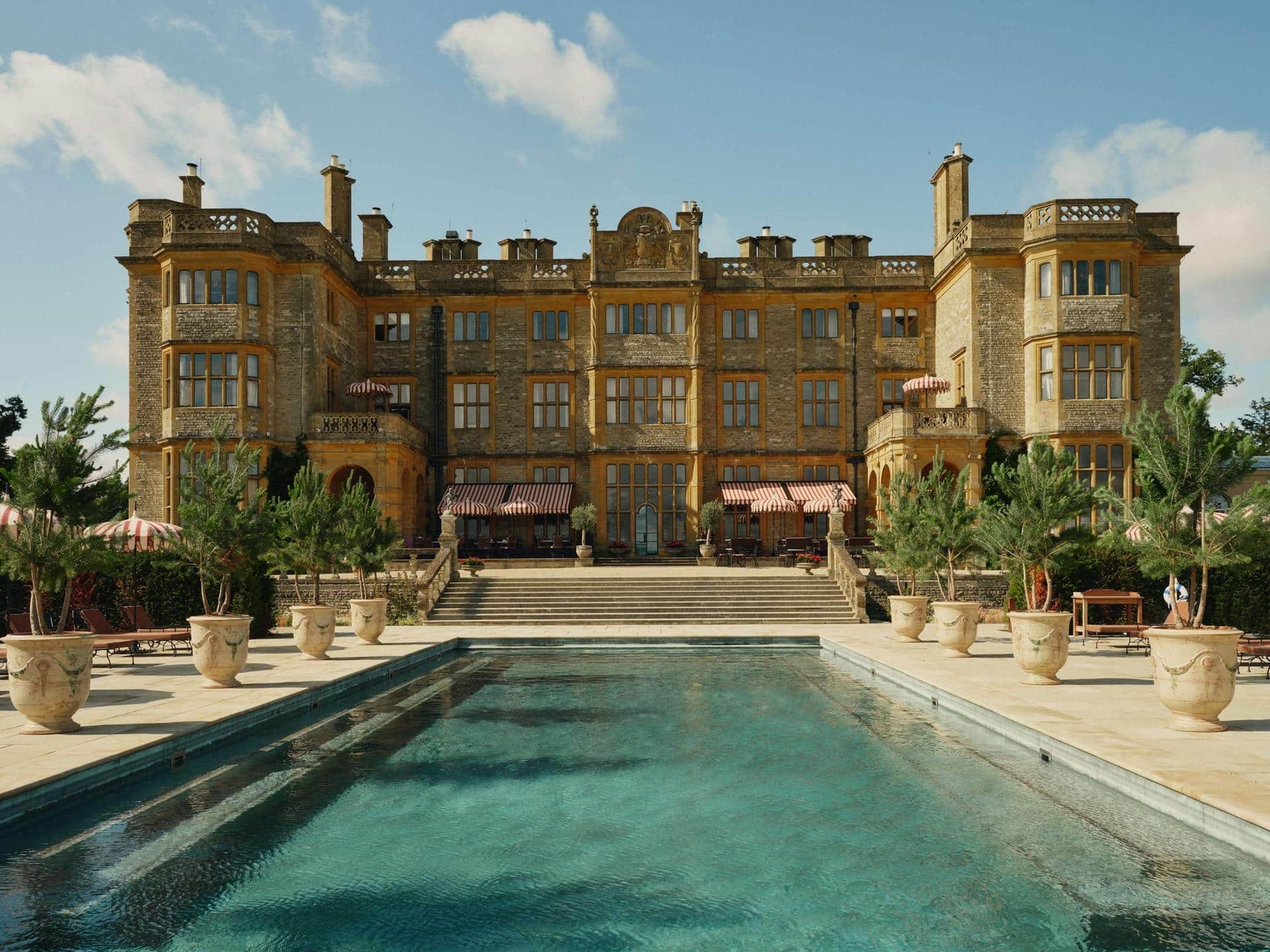
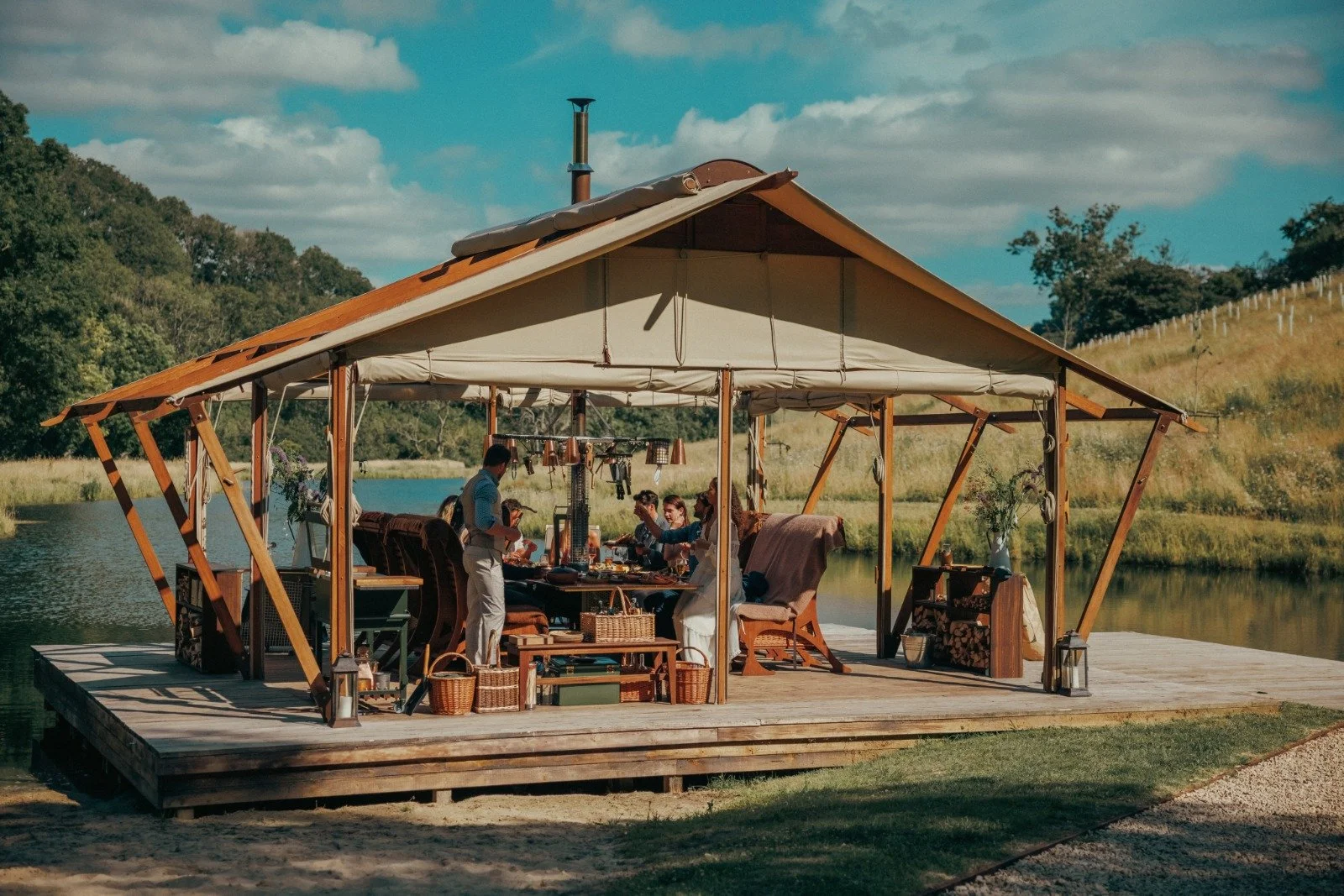
Image credit: Estelle Manor
INTRODUCTION
There is a line associated with Estelle Manor that has stayed with me:
“People with plenty to say and nothing to prove.”
It describes the community that Sharan Pasricha and Eiesha Bharti Pasricha wanted to bring together at Estelle Manor, their country house Capstone. Sitting here at Estelle Manor, it feels equally relevant to the project itself.
There can be something hugely liberating about creating a passion project when you no longer feel the need to prove that you can. At the same time, another hospitality industry icon, Nick Jones, founder of Soho House Group, has embarked on his own Capstone. The similarities between both are what’s most interesting.
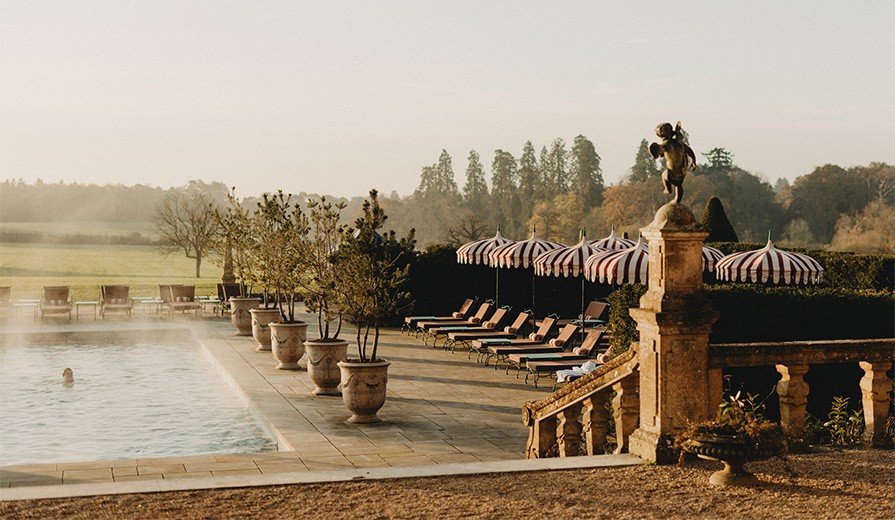
Image credit: Estelle Manor
~ ESTELLE MANOR ~
Sharan Pasricha had already built Ennismore into one of the most significant hospitality businesses of his generation. Through The Hoxton, Gleneagles and ultimately its partnership with Accor, he had already demonstrated that he knew how to build, operate and scale hotels. Estelle Manor therefore does not feel like something created to establish a reputation or prove a business model. It’s more personal than that. A project with greater creative freedom because the people behind it had already earned the right to trust their own judgement.
Eiesha Pasricha has written that from the moment Sharan first saw the honey-hued house, he knew he had found something special. It is another example of a coup de foudre. I have written about it HERE in Capstones. That moment of recognition when a project seems to arrive emotionally before it does rationally. The head catches up later.
Estelle Manor, formerly Eynsham Hall, had already been the backdrop to generations of family life, and that history appears to have shaped what followed. The ambition was not simply to create another luxury hotel or private members’ club, but something more tactile, lived-in and personal. Their own language talks about people leaving feeling lighter, inspired and deeply at home. Their vision was a “hosted home”, a very different ambition from a hotel.
Sharan’s design brief was for something eclectic, layered and comfortable, closer to the home of a well-travelled family friend than a place that looked professionally “done”. Eiesha’s question was equally simple: how do you make it feel as though you are coming to Estelle’s home?
Estelle herself is imaginary, but deliberately so. Eiesha pictured her as worldly, well-travelled and acquisitive in the best sense of the word, gathering fabrics, objects and antiques over a lifetime. Maison Estelle is her London home; Estelle Manor is her country house. Eiesha has even described Estelle as perhaps her alter ego.
It is a clever device because the character or narrative can become a compass. Once you know who Estelle is, many smaller decisions become easier. Would she have this in her house? Would this feel like her? Does it belong in this world?
Eiesha has described Estelle Manor as their North Star. Passion projects often need a creative premise more than they need an exhaustive rulebook. A simple idea against which hundreds of decisions can be tested or made.
And sitting here, I am struck by how closely this idea echoes something Nick Jones has been talking about with his latest project.
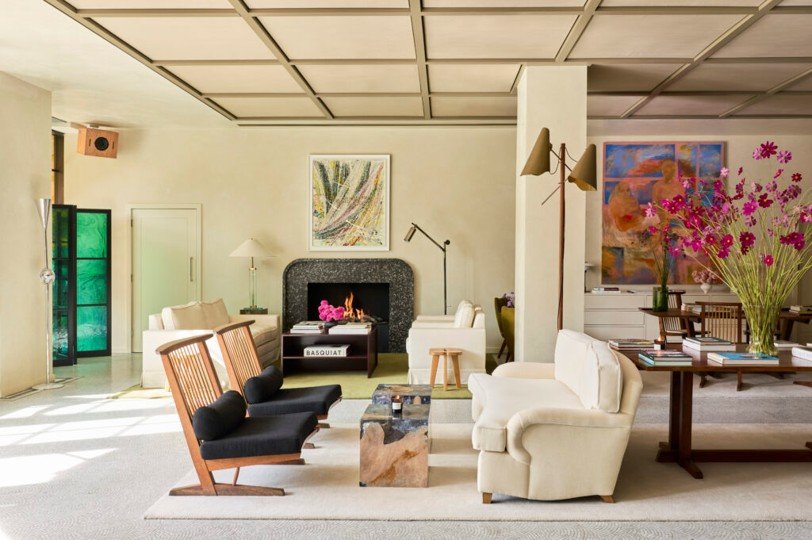
Image credit: St Clement
~ ST CLEMENT ~
Nick Jones spent decades building Soho House into a global business. More recently, after treatment for prostate cancer and having described himself as “a recovering workaholic”, his attention has turned to St Clement and Café Clement. What is interesting is not simply that the project is smaller. It is designed to be closer to the life he now wants to live.
Jones has spoken about the need to give a place a story that you can keep referring back to, particularly when deciding whether something fits. It is very close to Eiesha’s idea of a North Star. For both, the story becomes the filter.
I see a broader pattern here. Tastemakers who have spent large parts of their careers building hospitality businesses at scale are now drawn towards something more personal, homely and proximate. They are not abandoning ambition. They are finding a different expression of it.
After years spent proving that you can scale, one of the pleasures is no longer having to.
Sharan has said that he is passionate about how brands make people feel, and that sentiment is visible throughout Estelle. The philosophy is that true luxury is felt rather than seen. The work underneath can be meticulous, expensive and highly considered, but the final experience should not constantly announce itself. Again, having nothing to prove.
You notice it most clearly in the details, hints of extravagance that reveal themselves rather than announce themselves. Eiesha apparently spent around eighteen months thinking about the minibars. There is an Estelle scent, created with perfumer Lyn Harris.
None of these things is particularly important in isolation, but together they contribute to how the place feels.
I find that kind of attention interesting because it often marks the difference between a commercial project and a passion project. Nobody spends eighteen months thinking about a minibar because it is the most rational use of executive time. For Nick Jones, it’s crinkle-cut chips, the hand-cut chips at Café Clement that the house calls “crinkles”. According to Nick Jones:
“I like detail. I think customers notice details. They notice a sense of generosity.”
Capstone owners do it because they care about the experience in a way that is slightly disproportionate. The disproportion is passion revealed.
It reminds me of Sir Jony Ive, post-Apple, spending years creating and refining a typeface called LoveFrom, or Guy Ritchie obsessing over rivets and tiny engineering details in his outdoor kitchen Capstone. These things can appear excessive from the outside. To the person creating them, they are often the part that brings the most joy.
Sharan had already built businesses and systems where every decision did not have to come back to him. Alongside Eiesha, at Estelle Manor, they have welcomed the detail and involvement.
There is an important difference between being unable to let go and choosing not to let go. The first can become a constraint of entrepreneurship. The second can be one of the pleasures of a passion project: remaining close to the parts you enjoy because you no longer have to optimise yourself out of them.
That seems true of Nick Jones too. Having spent years building an organisation that required constant travel and expansion, part of the appeal of St Clement appears to be proximity: being in one place, close to the guests and involved in the details. After scale, the luxury is simplicity and intimacy. A smaller life and doing less.
There is also something appealingly unfinished about both projects. Eiesha has said that Estelle’s world is never static. That makes sense. A passion project often does not feel fully complete because its owner is still interested in it. There is always another room, another object, another improvement or another idea that was not part of the original plan.
From the outside, that can look like perfectionism. From the inside, it can simply be enjoyment.
Much of our working lives can become concerned with proving things. That we can build the business, earn the money, get the job, buy the house, establish a reputation, or achieve whatever version of success we once imagined for ourselves. There is nothing wrong with that. It is often necessary. In the language of Capstones, it is part of the Keystone phase: building capability, confidence and achievement. Your dent on the world.
However, one of the opportunities that comes later is the freedom to ask a different question.
What would I create if I no longer needed the project to prove anything?
A Capstone when there is nothing to prove is not an absence of ambition. It’s when ambition becomes much more personal.
Author Anecdote: After an early morning swim in the Manor pool, I found myself a new friend. A frog joined me, happily floating alongside me, just the two of us quietly hanging out before the usual comings and goings of guests, members and the general glitterati of Estelle Manor.
Discover more