Written on ‘Dolly Day’, 09/25/2026 in Nashville, Tenn.
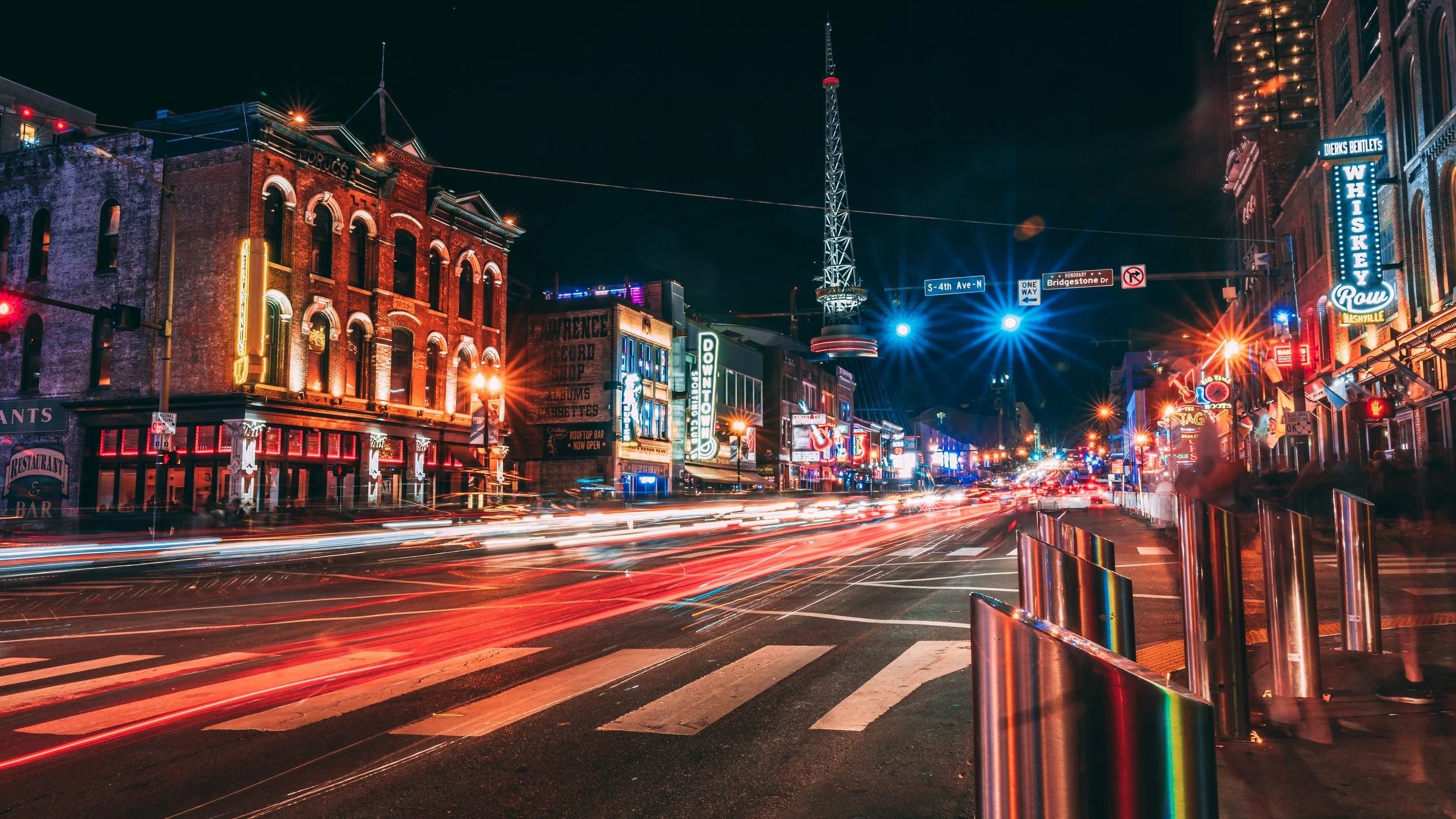
Image credit: Chait Goli
INTRODUCTION
Each city has its own rhythm. Nashville more literally than most.
For over a century, Nashville has been the spiritual home of American music. There are more than 3,000 working musicians and 190 recording studios in the region, with a concentration of musicians and music businesses higher than anywhere else in America. Music and entertainment contribute billions annually to the regional economy.
But the interesting thing about Music City is everything that has subsequently grown up around the music and the honky tonks.
Nashville is also one of America's great healthcare centres, with a regional healthcare economy estimated to have an annual economic impact four times that of music. Technology, private equity, hospitality, property and professional sport have followed, alongside entrepreneurs and families moving in from elsewhere in America. Tennessee's lack of individual state income tax is obviously part of the attraction. With that comes capital, family offices, entrepreneurs and remarkable people with the freedom to think about what they want to do next. Nashville it seems, fires up the creative juices of everyone from music artists to billionaires.
Then there are those who grew up here, left, became successful and came back, or never really left Nashville behind in the first place.
Combine these elements and Nashville has Capstone density. It is one of those corners of the world where there is an unusually high concentration of people pursuing meaningful passion projects, with a potent mix of capital, community, charity… and in Nashville’s case…chorus.
Money alone for sure doesn't create this. Plenty of wealthy places don't have the same energy. Passion projects normally have deeper roots in childhood, family, place, culture, an obsession or an interest that never quite leaves you. Nashville has retained an unusually strong sense of where it came from.
The city has come a long way from mule skinners, hillbillies, fiddlers, moonshiners, honky-tonkers and snake-oil salesmen. Yet part of the key to passion projects is remembering characters of the past, where you've come from, what the cornerstones are, what makes a place unique and what needs to be upheld. It has prospered without completely sanitising the peculiarities that made it Music City in the first place.
Here are a handful of projects that help demonstrate Nashville's Capstone density, from some of the original projects that helped build the city to those creating joy and meaning that extend way beyond Broadway, Belle Meade, Franklin and Brentwood.
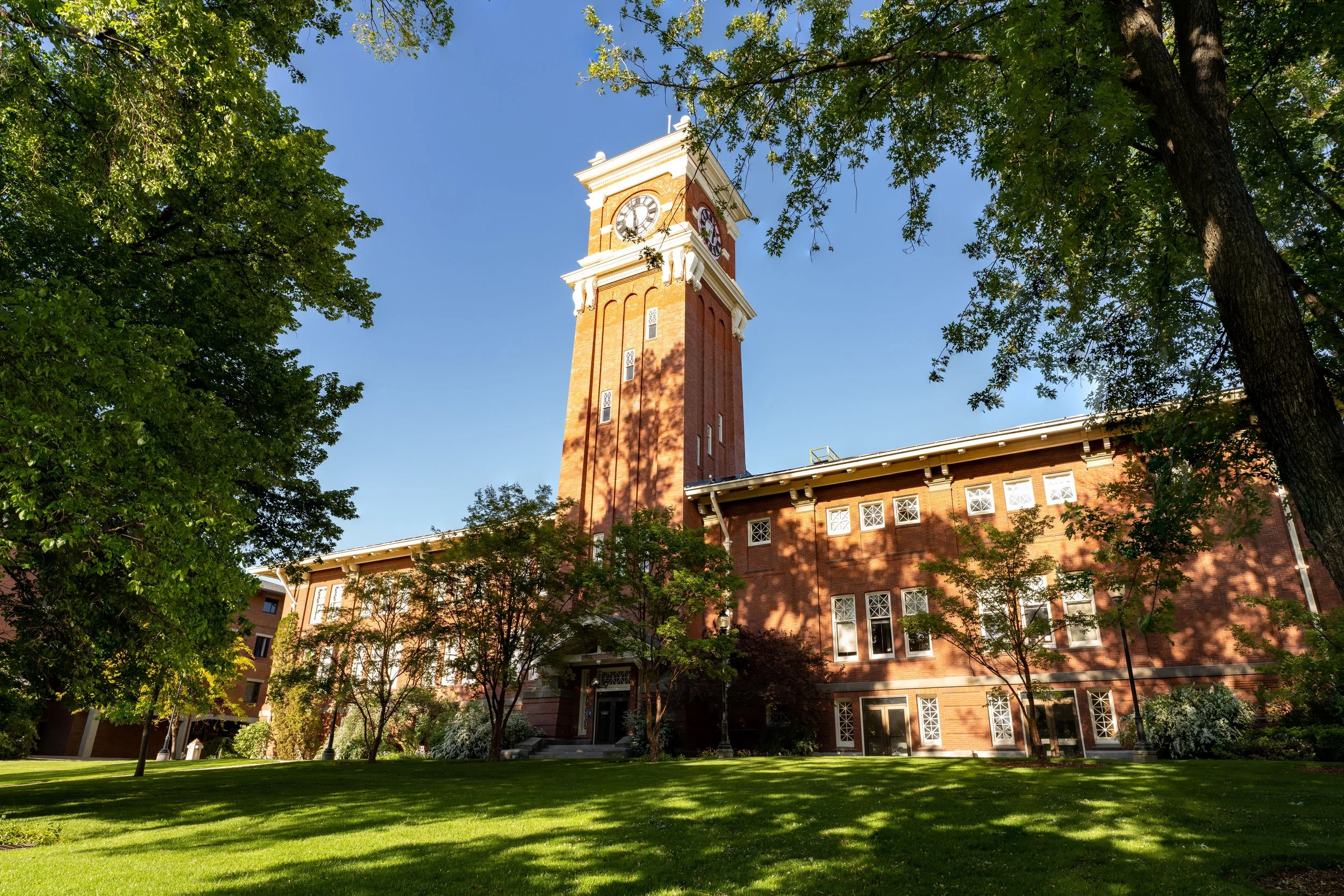
Image credit: Eric Lozaga
1. VANDERBILT: THE INDUSTRIALIST’S GIFT
Every Capstone corner has foundations. In Nashville, one of the most important was laid by a protagonist named Cornelius Vanderbilt.
After building one of the great fortunes of the 19th century through shipping and railroads, Vanderbilt did something altogether different towards the end of his life. In 1873, aged 79, he made a $1 million gift (a huge amount at the time) to establish Vanderbilt University.
There was also an intention behind it that went beyond putting his name above a building. America was still recovering from the Civil War and Vanderbilt wanted the university to help strengthen ties between North and South. He identified Nashville as the ideal place.
More than 150 years later, Vanderbilt has become one of America's leading research universities and an important part of Nashville's intellectual, medical and entrepreneurial infrastructure. What has grown from it is woven into the fabric of the city.
Vanderbilt belongs to that extraordinary generation of American industrialists including Carnegie and Rockefeller who eventually asked what their accumulated fortunes might build beyond their businesses. In Nashville, the answer became a university.
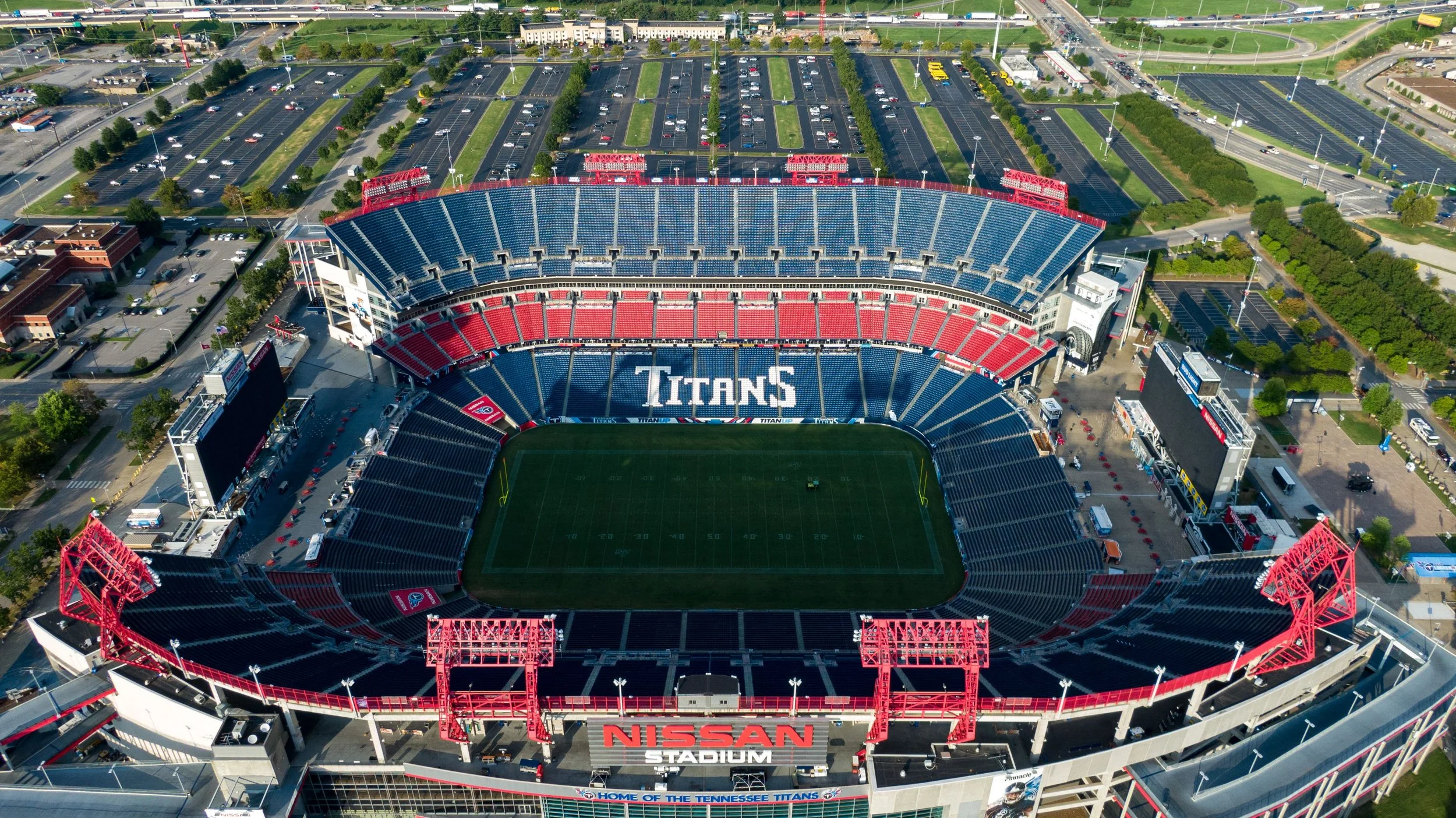
Nissan Stadium home of the Tennessee Titans, Nashville
2. THE TENNESSEE TITANS. BUILDING THE CITY THROUGH SPORT
If universities help build the intellectual fabric of a city, sport builds a different kind of community infrastructure.
The Tennessee Titans arrived from Houston in the late 1990s under Bud Adams and have subsequently become part of Nashville's identity. Today his daughter, Amy Adams Strunk, controls the franchise and is overseeing its next physical manifestation, the new Nissan Stadium being built on Nashville's East Bank and scheduled to open in 2027.
This isn't simply another NFL ground. The stadium is part of a much larger reimagining of the East Bank, designed as a year-round venue rather than somewhere used for a handful of football games.
What makes the Titans interesting as a Capstone is that the Adams family's investment has moved beyond ownership of a football team into creating a major piece of Nashville's physical infrastructure. The new stadium is being built as a home for the Titans but also as a year-round civic and entertainment venue, anchoring a much larger transformation of the East Bank.
“We are proud to be a part of Nashville and Middle Tennessee, and we want the Titans to be a leader in providing opportunities for people and businesses in the city and the region to achieve their dreams.” Says Amy Strunk.
The design of the team’s uniform draws deliberately leans into Nashville:
“Music City sings proudly across the chest to represent the sound and soul of Nashville. Neon inspired numbers represent the bold, buzzing and made for a city where the signs never go dark…”

Image credit: Calebo Oquendo
3. DOLLY PARTON: TURNING CULTURE INTO LEGACY
Few people embody Tennessee more completely than the late Dolly Parton.
Her Keystone is more than well known, one of the most successful careers in the history of country music. Yet one of her most consequential projects was much quieter.
Parton launched the Imagination Library in 1995 in her home county of Sevier County, Tennessee, inspired by her father, who could not read or write. The premise was beautifully simple: send free books every month to children from birth until the age of five, regardless of family income.
The scale has been extraordinary. By February 2025 the programme had gifted more than 270 million books, working through thousands of local partners, and it continues to distribute millions more every month.
Parton described its significance rather neatly:
“Before he passed away, my Daddy told me the Imagination Library was probably the most important thing I had ever done.” She created it as a tribute to him, and what started in one Tennessee county subsequently became an international literacy programme.
We will return to Dolly later, because in Music City there is another, rather less philanthropic way for musicians to express themselves once they have become successful… it's become a thing to involve a bar.
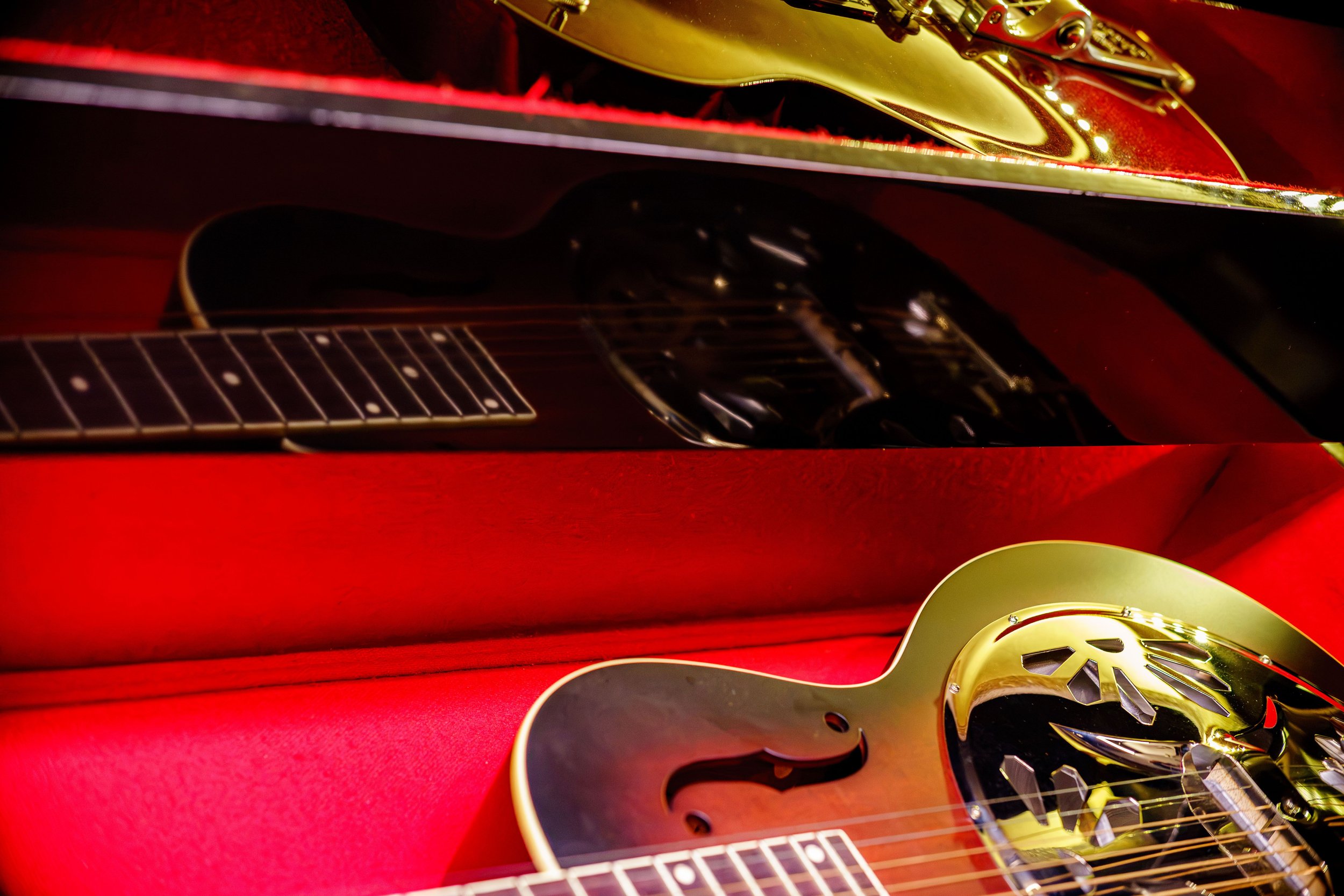
Image credit: Fredo Jaimes
4. THE NATIONAL MUSEUM OF AMERICAN MUSIC: WIDENING THE STORY OF MUSIC
Nashville has also recognised its responsibility to tell the whole story of American music.
The National Museum of African American Music is an important part of that. The idea dates back to 1998, when Nashville civic leaders Francis Guess and Dr T.B. Boyd began developing the concept for a museum celebrating African American music and heritage. After more than two decades of campaigning, fundraising and development, the museum opened in downtown Nashville in 2021.
Its subject is enormous. Spirituals, gospel, blues, jazz, R&B and hip-hop are not peripheral chapters of American music. They are part of its foundations. It doesn't challenge the Music City identity. It makes it more complete.
There is also something instructive about the 23 years between idea and opening. We tend to celebrate passion projects at the glamorous end when the doors finally open. The less visible part is persistence, persuading people, raising money, changing plans and keeping an idea alive for long enough that other people eventually see what you saw.
This isn't really one person's project, which arguably makes it more interesting. Guess and Boyd were central to the original idea, but it became a collective civic project involving successive leaders, funders and supporters over more than two decades. It is a Capstone built through persistence rather than a single protagonist.
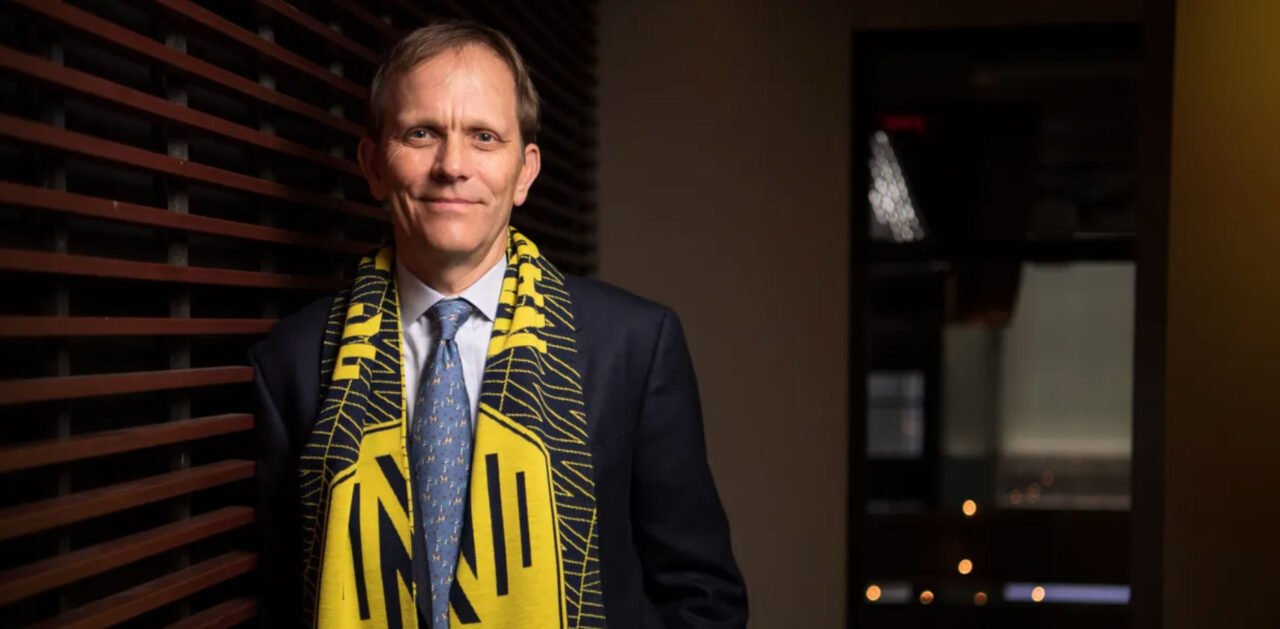
John Ingram’s Capstone: Nashville SC
5. JOHN INGRAM AND NASHVILLE SC: IT’S SOCCER’S TURN
Fast forward from Vanderbilt's 19th-century institution-building and the modern version can look very different.
John R. Ingram comes from one of Nashville's prominent business families and is chairman of Ingram Industries. Yet football, or soccer in these parts, became another interest.
Ingram became the lead investor behind Nashville's push for a Major League Soccer franchise and acquired a majority interest in Nashville SC in 2017. The MLS franchise began playing in 2020 and moved into GEODIS Park in 2022, the largest soccer-specific stadium in the United States and Canada.
What I particularly like about this project is that Ingram was quite open about the personal element. He saw it as something he and his family enjoyed, while simultaneously believing it would be good for Nashville.
“I wanted to build something in Nashville, with Nashville and for Nashville.”
“I think I’m the guy in Nashville who can pull this off and I’m going to go for it.”
“This is my home, and I want this stadium to be, however possible, a model for how development and new things are introduced and built out in our city.”
The ownership group has subsequently attracted Nashville native Reese Witherspoon, former Tennessee Titans running back Derrick Henry, Nashville Predators star Filip Forsberg and Giannis Antetokounmpo and his brothers. Not all are Nashville natives, but there is a strong local sporting thread. Forsberg described Nashville as “our city” when he joined, while Antetokounmpo said owning a soccer team had always been a dream of his.
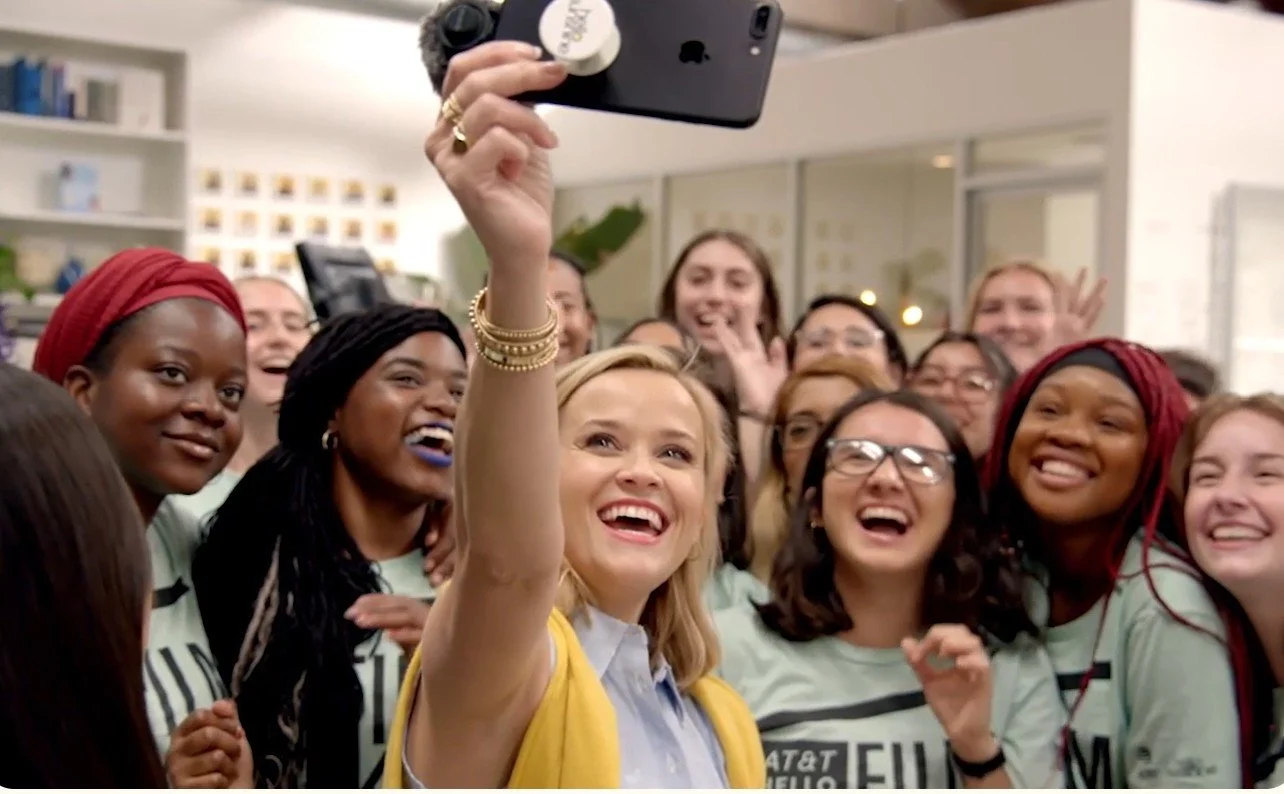
Image credit: Hello Sunshine
6. REESE WITHERSPOON: FROM PERFORMING STORIES TO OWNING THEM
This is a nice segway onto Reese Witherspoon who provides another version of the Nashville arc. Born in New Orleans and raised in Nashville, she became one of Hollywood's most recognisable actors before moving increasingly from performing stories into producing and owning the machinery behind them.
Through Hello Sunshine, founded with an emphasis on women-centred storytelling, Witherspoon moved from being talent within the system to having greater influence over which books were discovered, which stories were developed and whose voices reached audiences.
“I think one of my passions is storytelling. My other passion is to help women make more money because you can't really empower women if you're not making them money,”
she said in 2026. Hello Sunshine grew from her frustration at the lack of interesting female-led stories into a business deliberately designed to change who gets to tell, own and profit from them.
Her subsequent investment into Nashville SC brings part of that journey physically back into Music City.
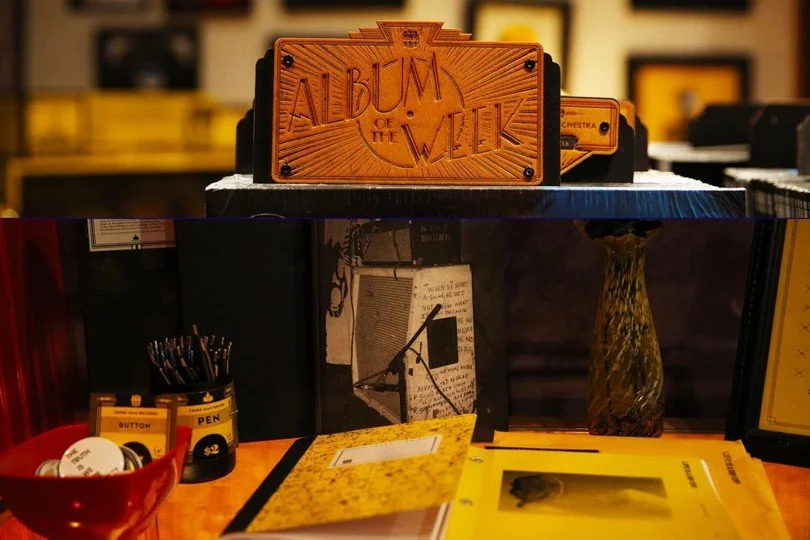
Image credit: On the Grid
7. JACK WHITE AND THIRD MAN RECORDS: REBUILDING THE MACHINERY OF MUSIC
Jack White, best known initially through The White Stripes, made Nashville the principal home of Third Man Records in 2009. The Nashville operation contains the label offices, distribution centre, record store, photo studio and its Blue Room, a live venue capable of recording performances directly to acetate.
It is deliberately nostalgic. Vinyl records. Analogue equipment. Physical artefacts in an age when almost every song ever recorded can be summoned instantly from a mobile.
Third Man has built an ecosystem around the physical experience of music, recording it, performing it, packaging it, selling it and creating scarcity and theatre around it.
Not simply nostalgia. It is ownership of more of the machinery behind the thing he loves.
“Nashville has always felt perfect. I don't think Third Man Records could exist in any other town that I know of in America.”
White had considered Muscle Shoals, Mississippi and Athens, Georgia before Nashville:
“I just kept coming back to Nashville. It just felt like the place for me, and it really is. I'm there for life now.”
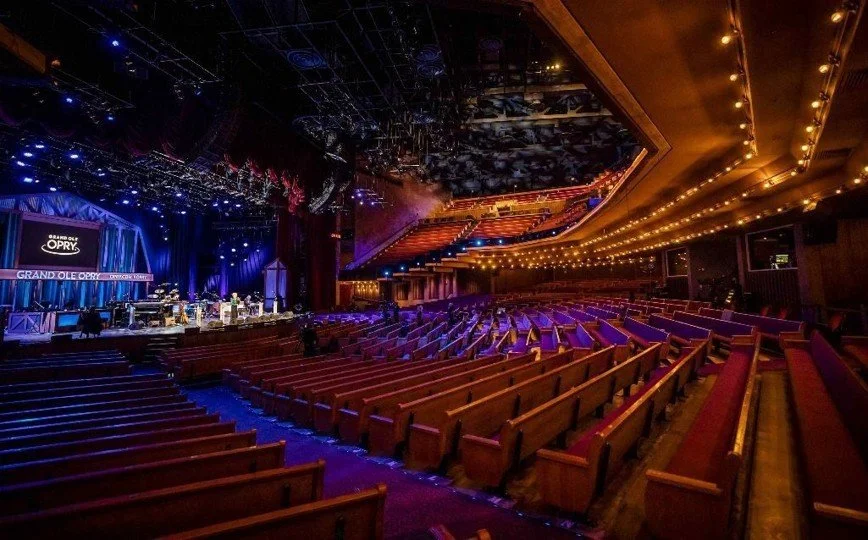
Image credit: Grand Ole Opry
8. THE GRAND OLE OPRY: NASHVILLE’S CATHEDRAL
If Nashville is a city built on song, the Grand Ole Opry is its cathedral.
It celebrated its centenary in 2025, having survived changes in musical taste, technology, venues, generations of performers and even a pandemic, when it continued broadcasting without a live audience.
What interests me about the Opry through a Capstone lens is that nobody really owns its cultural meaning. Artists inherit temporary responsibility for it.
Vince Gill is a good example. He made his Opry debut in 1989, became a member in 1991 and over subsequent decades became one of its most recognisable ambassadors. But he is one of many. Reba McEntire, Garth Brooks, Emmylou Harris and successive generations have entered the same circle.
For Gill, its significance appears to be as much about the people as the stage.
This is cultural stewardship rather than individual ownership. The project becomes bigger than any protagonist and survives because each generation accepts some responsibility for carrying it forward.
If there is one historical figure who particularly embodies that stewardship, it is Roy Acuff. When the Opry moved from the Ryman Auditorium to its new home in 1974, Acuff personally oversaw the installation of the six-foot circle of wood cut from the Ryman stage into the new Opry stage. He wanted the new building to preserve something physical, as well as emotional, from the old one. He later lived in a house on the Opry grounds until his death in 1992.
9. THOMAS FRIST JR: FROM HEALTHCARE WEALTH TO CIVIC INFRASTRUCTURE
Beyond music and sport, some of Nashville's most significant Capstones sit in healthcare and philanthropy.
Dr Thomas F. Frist Jr. co-founded Hospital Corporation of America with his father in 1968. HCA subsequently became one of the foundations of Nashville's enormous healthcare economy and helped create generations of healthcare executives, entrepreneurs and investors around the city.
Yet his later story is what interests me. The Frist Foundation, established in 1982 and later made independent from HCA, has spent more than four decades investing in Nashville's nonprofit infrastructure. Frist helped establish the Tocqueville Society at United Way, founded the Frist Art Museum and was involved in creating The Community Foundation of Middle Tennessee and Young Leaders Council. In other words, he didn't simply become a philanthropist. He helped build some of the machinery through which Nashville itself does philanthropy.
This is the compound effect of Capstone density in fairly pure form. Expertise creates a company. The company creates wealth and further expertise. Capital and capability then should find their way back into the city through completely different institutions.
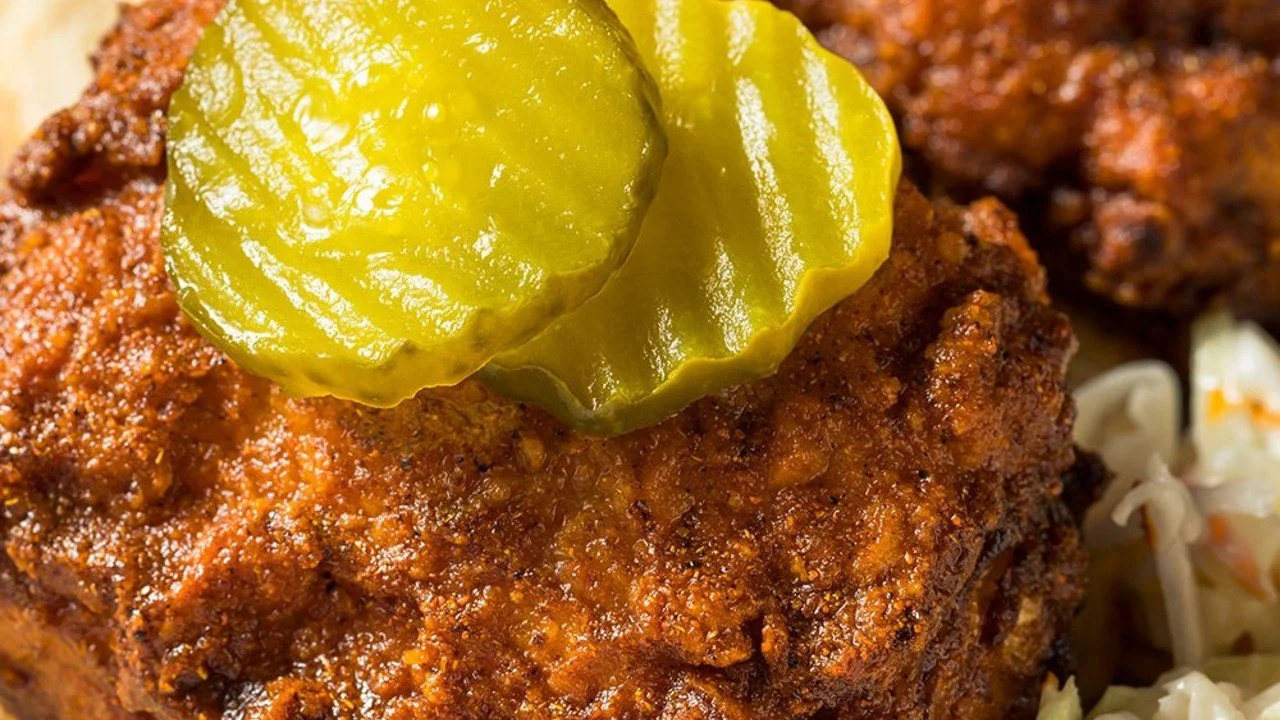
Image credit: Prince’s Hot Chicken
10. PRINCE’S HOT CHICKEN: PRESERVING SOMETHING PECULIARLY NASHVILLE
Then there are food Capstones. Hot chicken is now such a Nashville institution that it is easy to assume somebody sat in a branding meeting and invented it. The accepted family story is considerably better.
During the Great Depression, pig farmer Thornton Prince was apparently something of a ladies' man. After one particularly late night, his girlfriend attempted revenge by serving him fried chicken loaded with an extraordinary amount of pepper and spice. The plan rather backfired because Prince liked it.
He subsequently developed the recipe and opened what became Prince's Hot Chicken. Nearly a century later, the business remains associated with the family, with his great-niece André Prince Jeffries becoming the guardian of the tradition.
Whether every detail of a story that old happened exactly as subsequently told almost misses the point. Nashville hot chicken became part food, part folklore and eventually part of the city's identity.
Hattie B's and others have subsequently helped take the style to a much larger audience, but Prince's is where the lineage sits.
Another Nashville food Capstone came almost a century later. Isaac Meek had spent a decade as an accountant and CFO when he and his wife Stephanie, then pregnant with their fifth daughter, started questioning how they wanted to work and live.
“I was burned out crunching numbers and my wife and I realized it was more important to us to be doing something together that we truly loved,” he has said.
Baking had long been his creative outlet, with some family roots too, his great-grandfather had owned a cake shop and his grandfather a pizzeria. Isaac and Stephanie began experimenting at home in 2015, creating the 100 Layer Donut and naming their new business Five Daughters Bakery after their five girls. A local coffee shop picked up the first batch and they sold out within 30 minutes. Within four months, the bakery had replaced his CFO salary and subsequently grew into one of Nashville's recognisable food businesses.
11. OPRAH WINFREY: COMING BACK TO NASHVILLE
Oprah Winfrey's connection with Nashville goes much deeper than simply having lived here. She attended Tennessee State University and began her broadcasting career in Nashville, becoming a news anchor at WLAC-TV while still a teenager.
Her later philanthropy became global, most famously through education, but Nashville remained part of it. During the pandemic, Winfrey contacted leaders at her alma mater, Tennessee State University, and Mount Zion Baptist Church to ask what the city needed. Her charitable foundation subsequently created NashvilleNurtures, a partnership that helped provide food to more than 10,000 Nashville families affected by food insecurity.
There is something quite Capstone about returning to the institutions and city that formed part of your own Cornerstone years, but doing so decades later with completely different resources at your disposal.
AND THEN THERE ARE HONKY-TONKS…
There is one final Nashville phenomenon that deserves its own mention because I am not sure there are many places in the world where it happens at quite this density. The UK has a long list of prominent people buying pubs, but that is spread across an entire country. Nashville manages to concentrate much of its version along a few blocks of Broadway.
Once you become a successful country artist, apparently you need a bar.
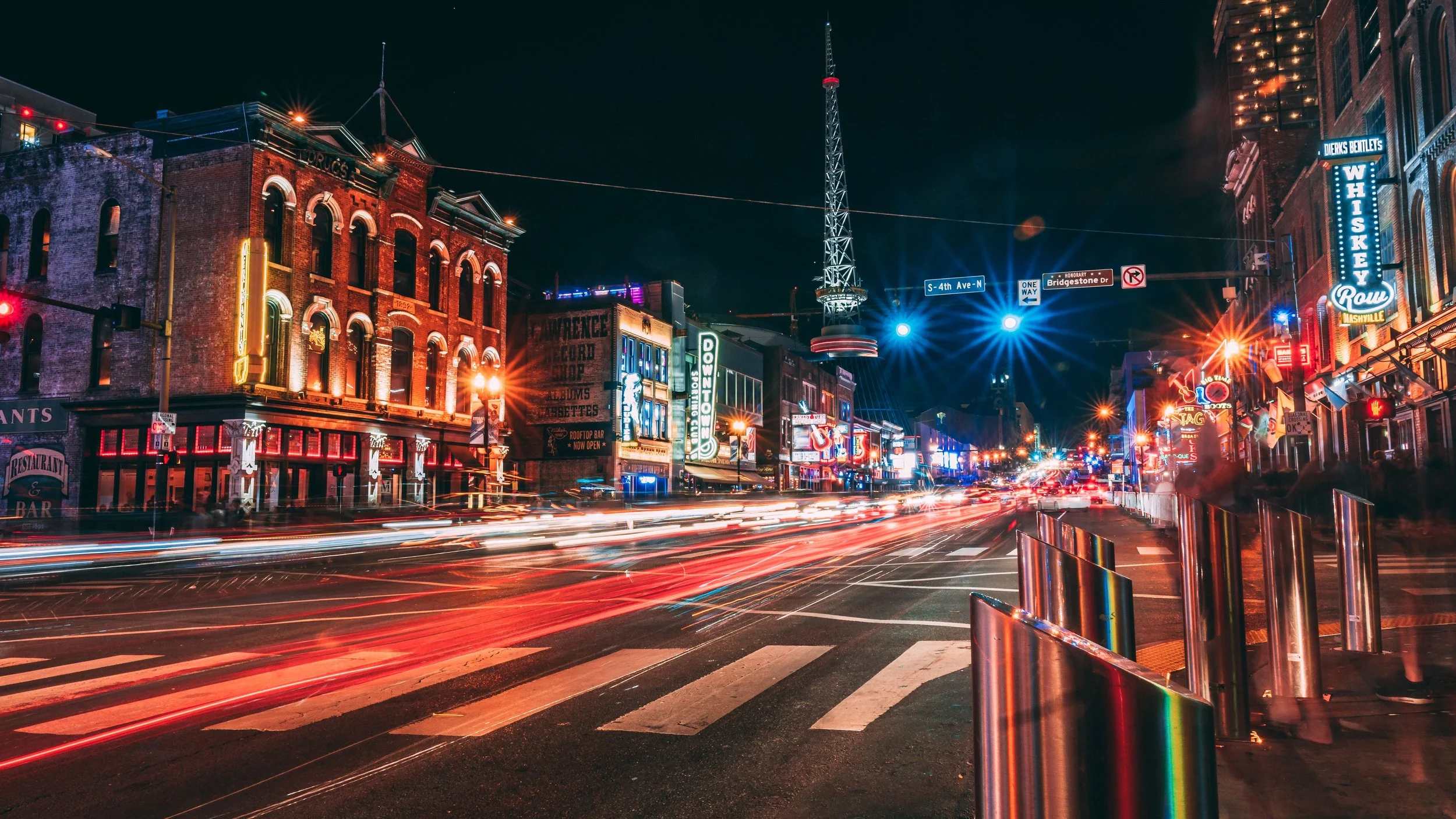
Lower Broadway has increasingly become a physical roll-call of Music City success. Garth Brooks has Friends in Low Places. Eric Church has Chief's. Morgan Wallen has This Bar & Tennessee Kitchen. Luke Bryan has Luke's 32 Bridge. Blake Shelton has Ole Red. Miranda Lambert has Casa Rosa. Lainey Wilson has Bell Bottoms Up. Dierks Bentley has Whiskey Row. Alan Jackson has AJ's Good Time Bar. Jelly Roll has Goodnight Nashville. Luke Combs has Category 10. Kane Brown joined the collection in 2026 with On Broadway.
Then the net spreads beyond country music. Jon Bon Jovi has JBJ's Nashville, while Tennessee native Justin Timberlake is involved in The Twelve Thirty Club.
I wouldn't automatically call every celebrity-branded hospitality venue a Capstone. Some will be primarily commercial partnerships, and putting your name above a bar doesn't automatically make it a profound passion project. But collectively they reveal something interesting about Music City.
Having spent a career creating music that people experience through records, radio, streaming and concerts, many artists eventually want a physical place. Somewhere that expresses their taste and personality, plays their music, serves their food, displays their memorabilia and allows fans to step inside a small version of their world.
There is also a nice circularity to it. Many of these artists originally came to Nashville to play in bars. Become successful enough and eventually you own one.
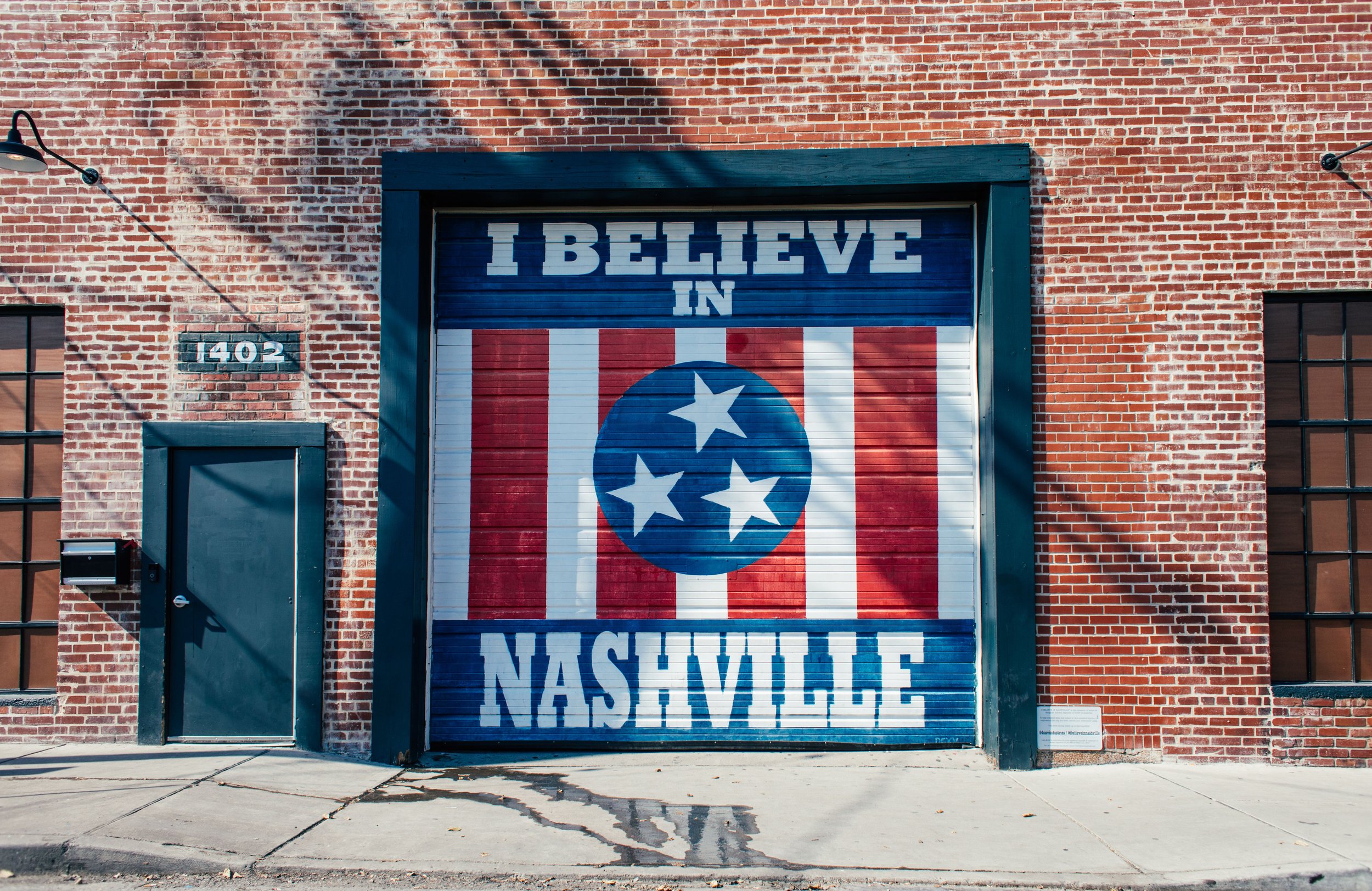
Image credit: Rachel Claire
SUCCESS RETURNS TO MUSIC CITY
Nashville has Capstone density. These projects don't develop in isolation. Successful people see other successful people doing interesting things. Capital meets creativity. Old families meet new entrepreneurs. Musicians meet healthcare founders. The people arriving bring ideas and resources, while those who grew up here retain an attachment to the place that helped shape them. These Capstones are helping define and constantly redefine Music City.
Discover more