LES CAPSTONES DES PARIS
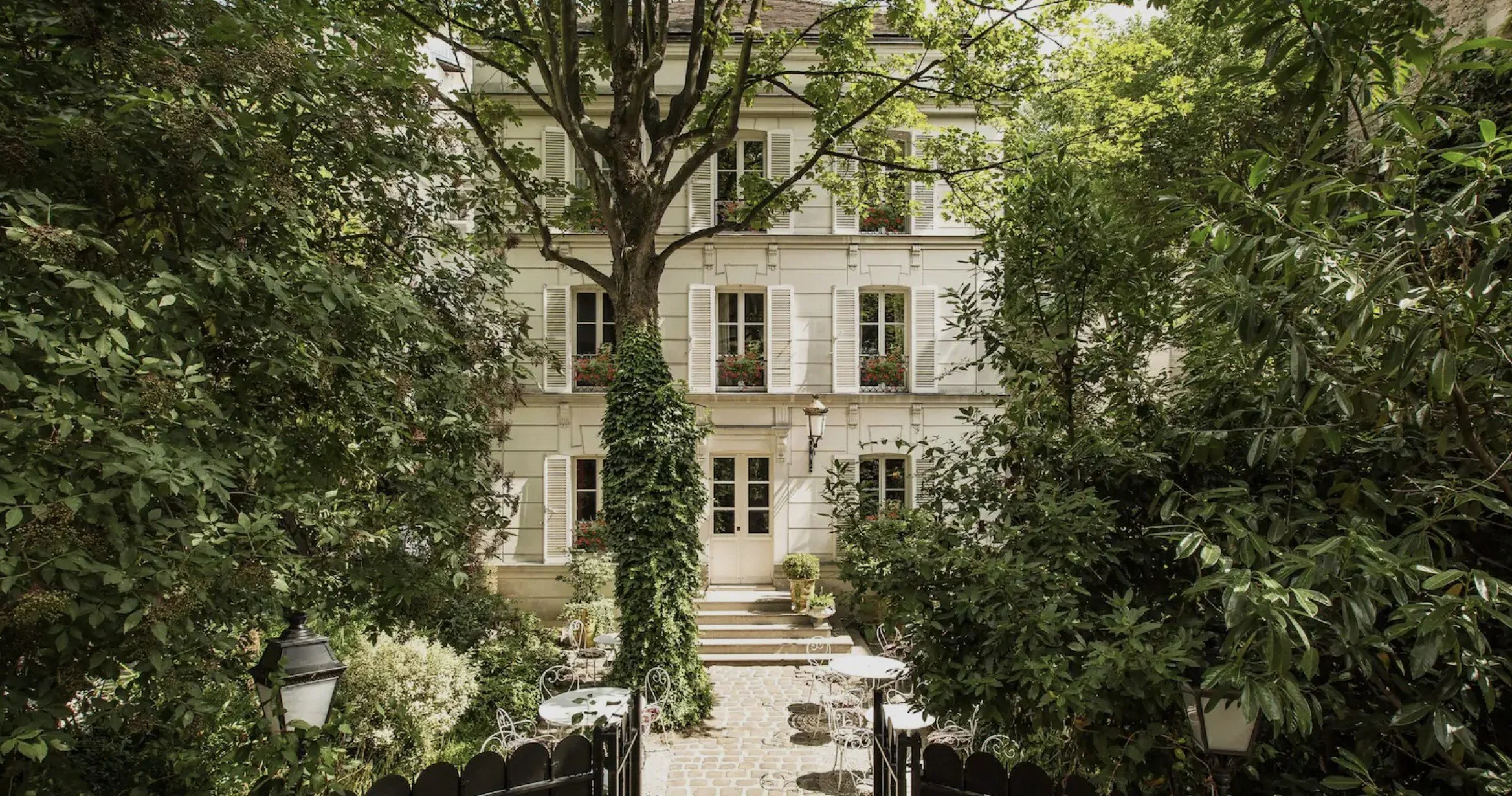
Image Credit: Hôtel Particulier
One of the unexpected consequences of writing Capstones: The Art & Architecture of Meaningful Passion Projects is that it has permanently altered the way I travel.
Once you've spent years immersed in profound passion projects, your radar changes. You begin to notice the people behind the buildings, businesses and beautiful streets. The world starts to reveal itself differently. Not because it has necessarily changed, but because your awareness has.
A recent two-day family trip to Paris reminded me of this.
We weren't searching for Capstones. We were sightseeing, wandering, stopping for coffee and watching my daughter experience the wonders of Paris for the first time. Within hours, a pattern began to emerge. By the time we left, I’d spent two days surrounded by people whose passion projects continue to shape the city.
THE FIRST WAS LA SAMARITAINE
It is one of the world's most beautiful department stores. Yet within a few minutes of speaking to a wonderfully enthusiastic shop assistant, I discovered that founders Ernest Cognacq and Marie-Louise Jaÿ had not only built one of Paris's great retail institutions as their Keystone success but had used that success as the foundation for something much larger. Their Capstone was deciding what that success would ultimately make possible.
Their success funded hospitals, schools, maternity care and charitable institutions through the Fondation Cognacq-Jaÿ. They donated their remarkable art collection to the City of Paris, creating what is now the Musée Cognacq-Jaÿ.
There is something wonderfully fitting that a business carrying that name would ultimately become the engine for one of France's enduring philanthropic legacies.
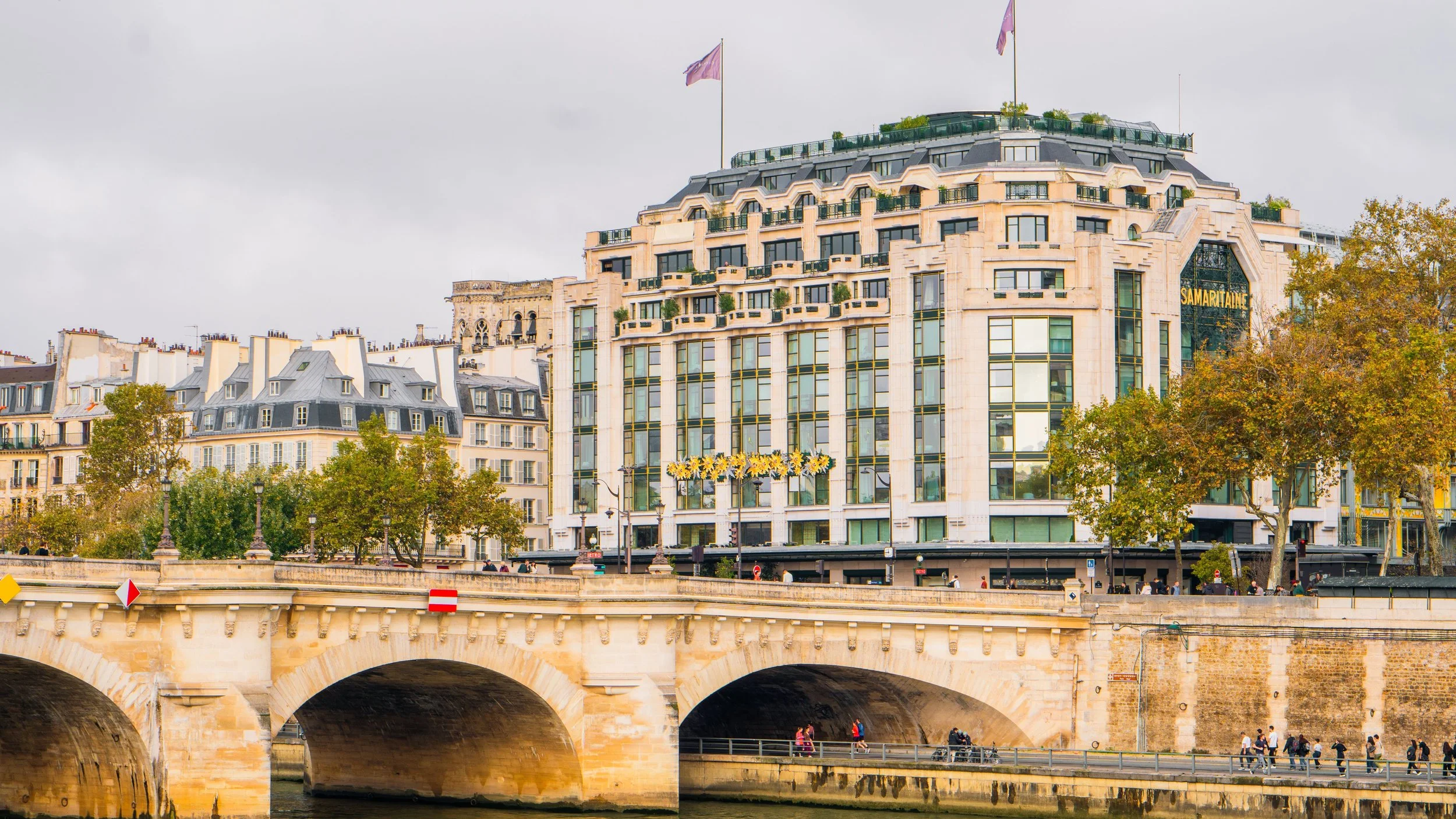
La Samaritaine image credit: Evans Joel
THE NEXT EXAMPLE CAME WHILE WALKING AROUND THE ÎLE SAINT-LOUIS
Across the river stands Hôtel Lambert, one of Paris's most magnificent seventeenth-century private residences, an hôtel particulier. Following years of meticulous restoration, it was acquired by French entrepreneur Xavier Niel and is expected to become home to his cultural foundation. Again, a familiar pattern emerged. The rewards of success were no longer being directed towards another commercial venture. Instead, it was being used to preserve heritage, create cultural value and provide a platform for future generations.
The building itself is magnificent. More interesting will be the intention behind its next chapter.
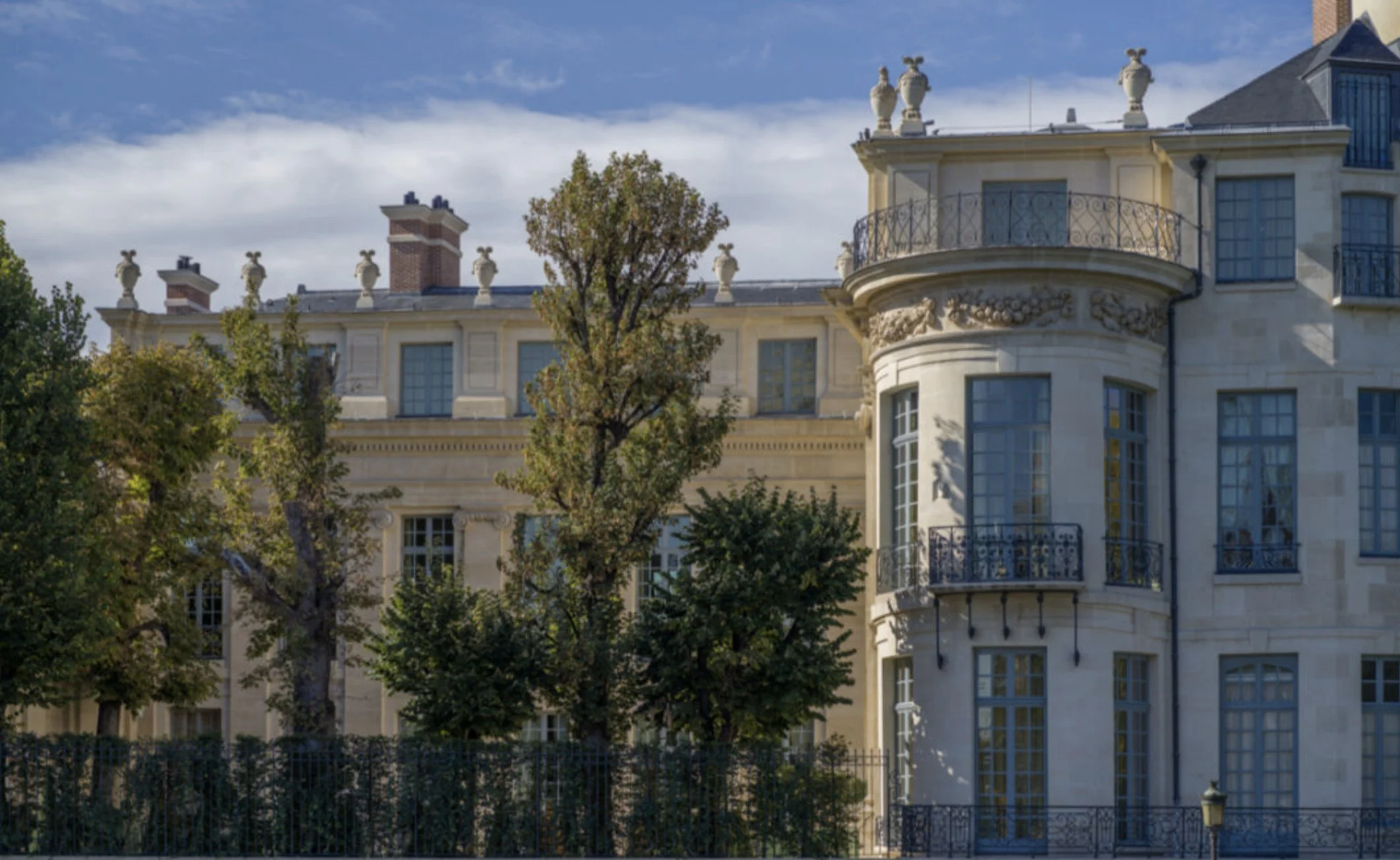
The Hôtel Lambert image credit: © Marianne Ström
THEN THERE WAS THE PULL OF MONTMARTRE
Certain places seem to possess an extraordinary magnetic pull. They attract people who challenge convention, express themselves creatively and often see around corners before the rest of society does. For me, Montmartre felt like a Capstone corner of the world. Montmartre has long been an environment where original thinkers find one another. Creativity compounds.
Hidden behind high walls sits the aptly named Hôtel Particulier, the Comtet family’s hospitality passion project. When the family discovered the long-neglected mansion, they saw not a forgotten building but the opportunity to restore one of Montmartre's hidden treasures. Their careful restoration transformed it into one of Paris's most distinctive boutique hotels. The Comtet family's vision later expanded to include the neighbouring site, once occupied for more than fifty years by the Club Lepic Abbesses Pétanque. The transition was controversial, and the original club fought its eviction. What emerged was Jardin Junot, a more landscaped public garden that retained pétanque while introducing planting, educational activities and other community uses. It became a project within a project. A sort of Capstone Russian doll, albeit one not without controversy.
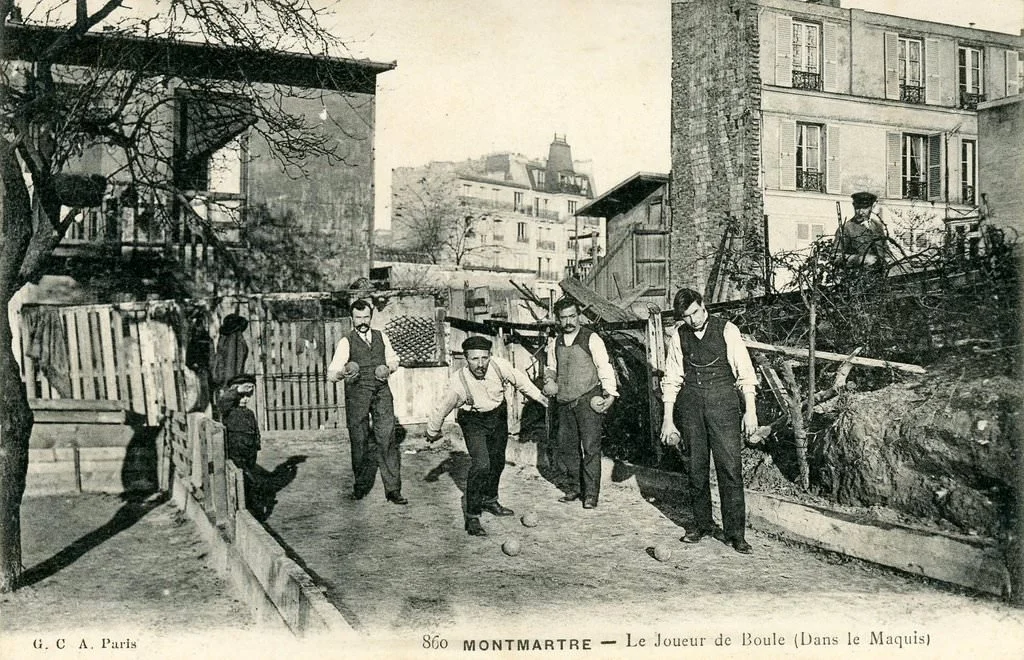
Image credit: Club Lepic Abbesses Pétanque (CLAP)
ANOTHE MONTMARTRE STORY BELONGS TO THE ILLUSTRATOR FRANCISQUE POULBOT
He became famous for drawing the district's street children, so much so that they eventually became known as les poulbots. Yet he did far more than turn their character into art. He opened a free dispensary for disadvantaged children and helped save a neglected piece of land from development. That land became the Clos Montmartre vineyard, whose limited annual production continues to support community projects in the 18th arrondissement. Poulbot used his success not to distance himself from the people who inspired his work, but to improve their lives.
A vineyard created not simply to make wine, but to save a piece of Montmartre.
Those passionate about Montmartre understand and design their Capstones around the desire to preserve its traditional village identity and free commune ethos.
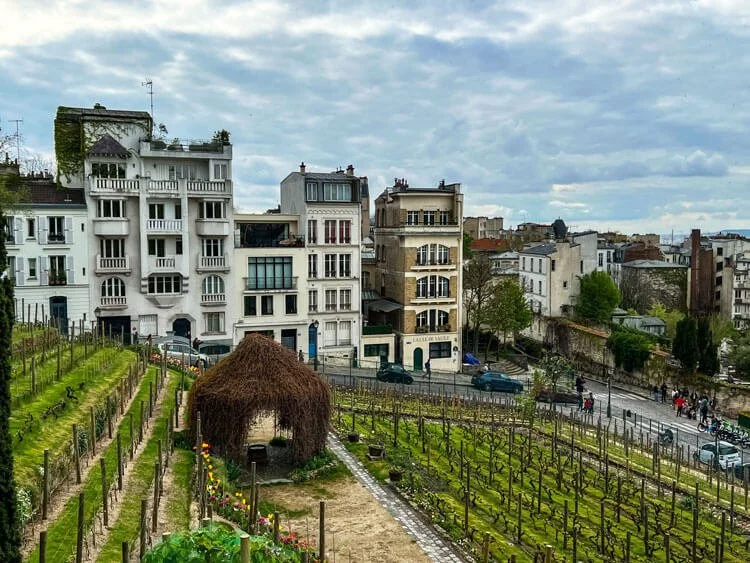
Clos Montmartre image credit: Luxe Adventure Traveller
AS OUR SHORT VISIT CONTINUED, ONE NAME BECAME INGREASINGLY DIFFICULT TO IGNORE: BERNARD ARNAULT
Whether through the Fondation Louis Vuitton, the restoration of La Samaritaine, investment in exceptional craftsmanship or support for France's cultural heritage, the influence of LVMH stretches far beyond luxury goods. It is helping shape the cultural fabric of Paris itself.
The Fondation Louis Vuitton is perhaps Arnault's clearest Capstone. Conceived with Frank Gehry and opened in 2014, it was never intended simply as another museum. It is a permanent institution dedicated to modern and contemporary art, creating a home where artists, ideas and architecture can continue to inspire for generations to come.
That philosophy became even more visible after the devastating fire at Notre-Dame in 2019. Bernard Arnault and LVMH pledged €200 million towards the restoration of France's most visited monument, forming part of an extraordinary national and international effort to restore one of the world's great cathedrals. Alongside this, LVMH continues to invest in preserving exceptional French craftsmanship through apprenticeships, specialist training and the transmission of traditional métiers. The common thread is remarkably consistent. The focus is no longer simply on creating luxury. It is on preserving and renewing culture itself.
Looking back, what stayed with me wasn't simply the projects themselves. It was the realisation that so much of what gives Paris its character can be traced back to individuals who chose to build something beyond their Keystone success. Some expressed it through philanthropy. Others through hospitality, culture, conservation or community. Different expressions, certainly. Yet each reflects a deeply personal decision to turn success into something with wider meaning.
Forty-eight hours in Paris simply reinforced what I wrote in my book, and I happily reiterate it here. Once your awareness is heightened, you really do begin to see Capstones everywhere.
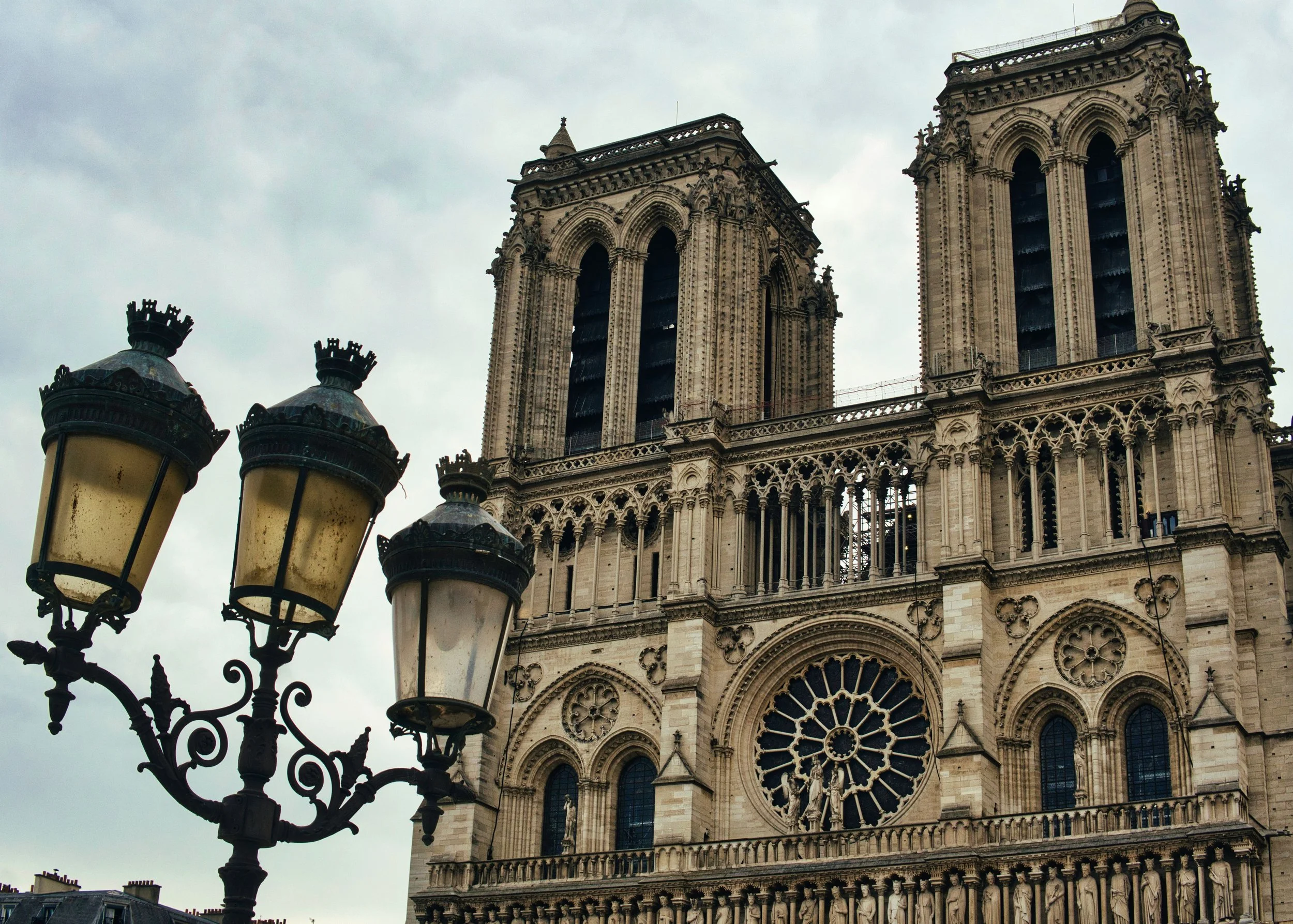
Notre Dame image credit: Travel With Lenses
Discover more